Four areas we are tracking
Company profiles
Licensed operators, licence status and community record
Read coverage →
Policy & licensing
DGSM cadastre and the Mining and Minerals Act 2022
Read coverage →
Critical minerals
Rare earths, cobalt and iron ore projects
Read coverage →
Community impact
Jobs, infrastructure and development agreements
Read coverage →Critical minerals & industrial jobs
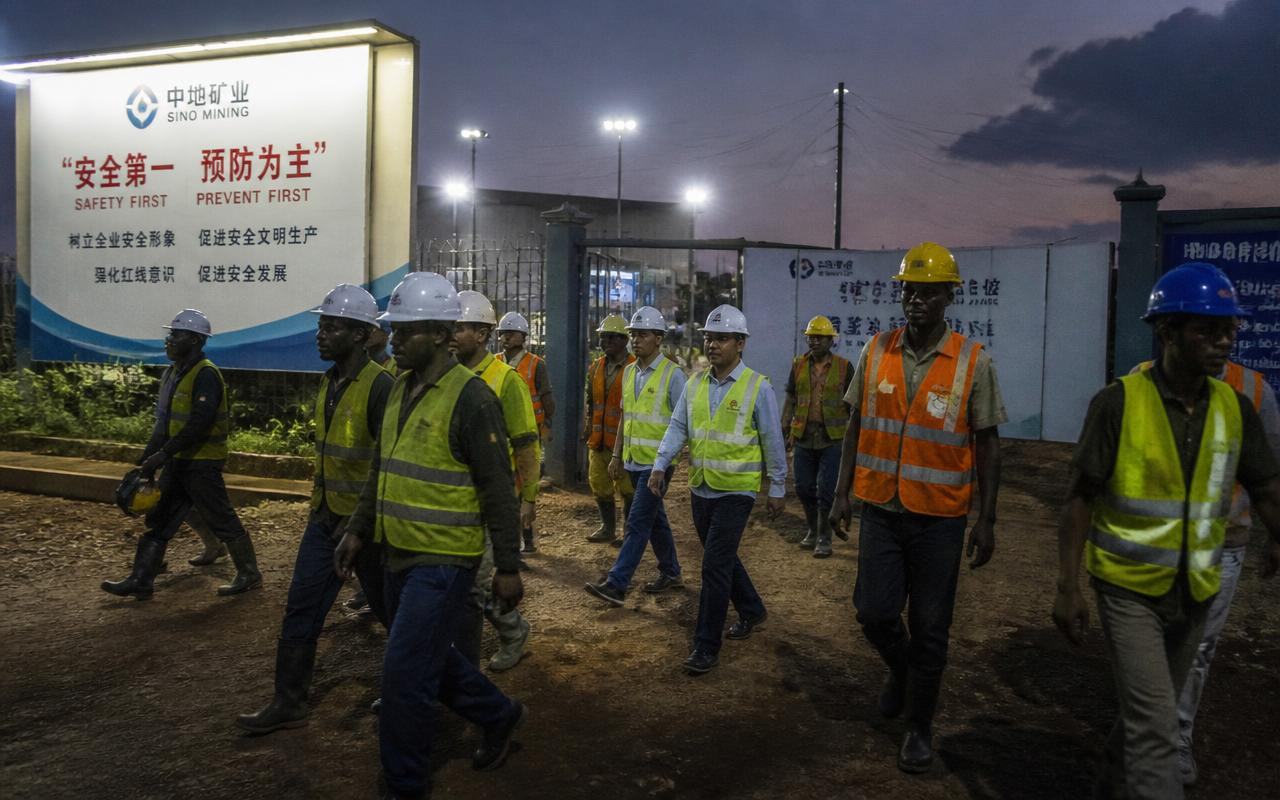
Wagagai reports 2,000 jobs as Busia output ramps
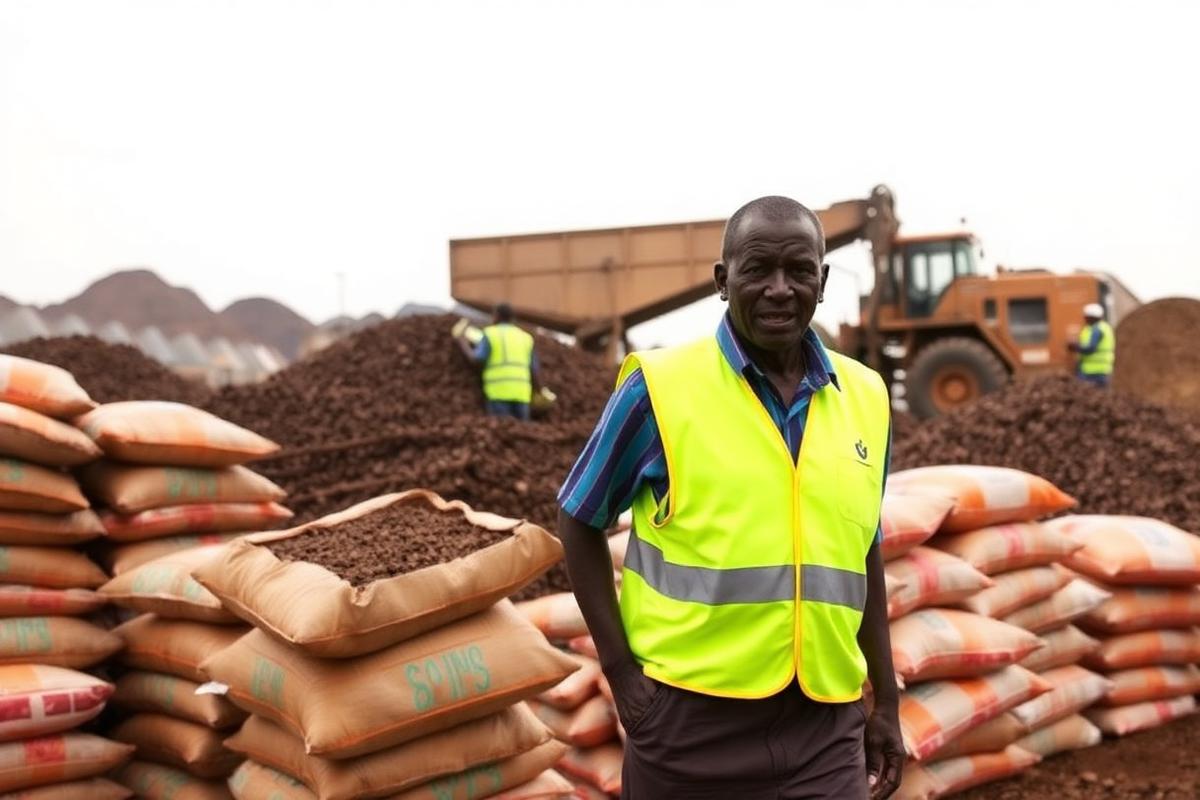
DR Congo concentrate ban raises the stakes for Uganda
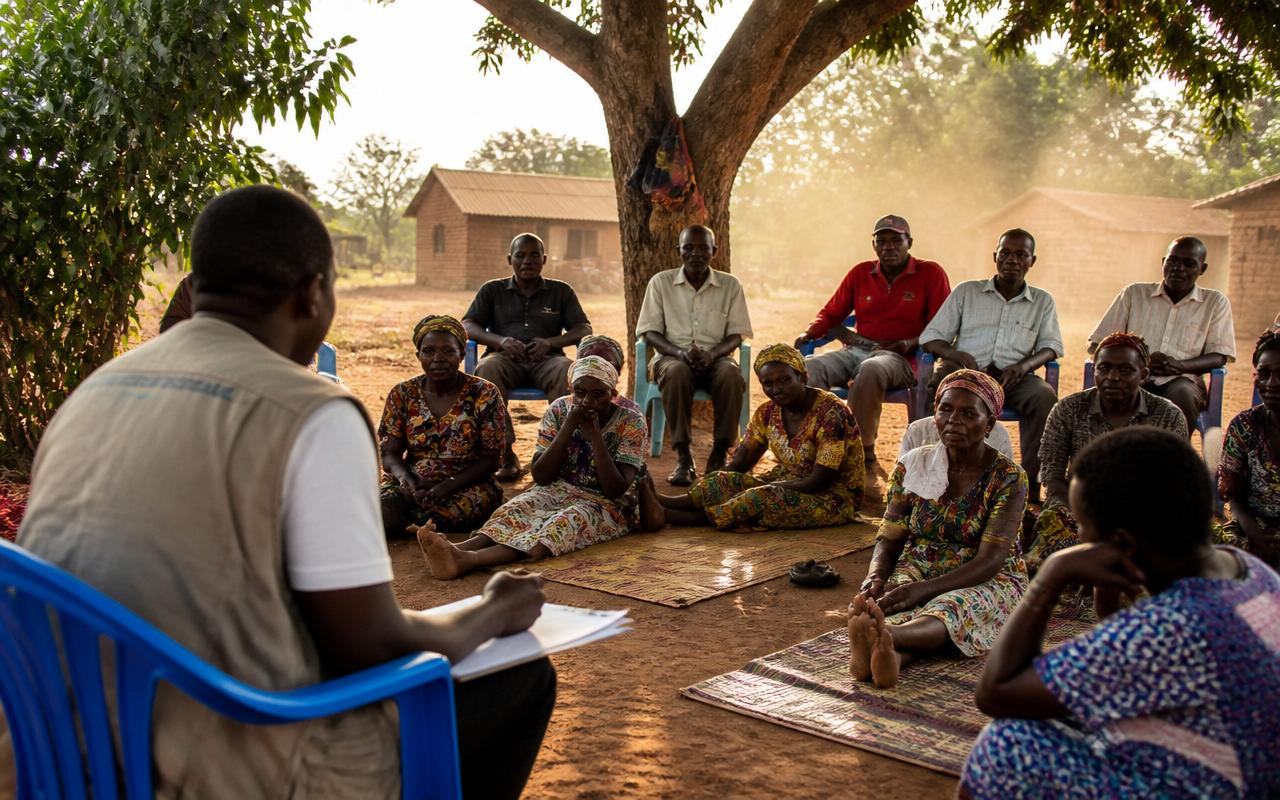
Makuutu drawn into Western critical minerals planning
Strategic review at Makuutu rare earths
Environment deskLand, water & tailings
▾
Land, water & tailings
AnalysisLong reads & explainers
▾
Long reads & explainers
- Policy
Entebbe assay lab upgrade: what it changes
Government is upgrading the national mineral testing laboratory. For small operators the question is simple: will they get results in days, or still wait for months?
- Formalisation
New buying centres test gold price fairness
Formal mineral buying centres are opening in gold districts so diggers can weigh and sell on record. Early signs are decent, but the middlemen have not gone anywhere.
- Regulation
Border checks tighten on mineral transit
Customs and DGSM are matching mineral consignments to licence records at the eastern border posts. Traders complain of delays; the point is to see which loads have no paperwork at all.
Long reads & explainers
- Policy
Entebbe assay lab upgrade: what it changes
Government is upgrading the national mineral testing laboratory. For small operators the question is simple: will they get results in days, or still wait for months?
- Formalisation
New buying centres test gold price fairness
Formal mineral buying centres are opening in gold districts so diggers can weigh and sell on record. Early signs are decent, but the middlemen have not gone anywhere.
- Regulation
Border checks tighten on mineral transit
Customs and DGSM are matching mineral consignments to licence records at the eastern border posts. Traders complain of delays; the point is to see which loads have no paperwork at all.
About the deskField-based, independent, non-partisan.
▾
Field-based, independent, non-partisan.
UMT was set up to close a specific gap in Uganda's mineral-sector conversation: rigorous, field-based reporting on how mining capital, licensing decisions and community obligations meet on the ground.
We publish positive and negative findings. Companies that formalise artisanal activity, hire and train Ugandans, and invest credibly in local infrastructure are recognised in our coverage.
Field-based, independent, non-partisan.
UMT was set up to close a specific gap in Uganda's mineral-sector conversation: rigorous, field-based reporting on how mining capital, licensing decisions and community obligations meet on the ground. Our researchers work out of Kampala and rotate through districts across the Lake Victoria Gold Belt, the Rwenzori copper-cobalt belt, Karamoja and the eastern industrial-minerals corridor.
We publish positive and negative findings. Companies that formalise artisanal activity, hire and train Ugandans, and invest credibly in local infrastructure are recognised in our coverage. Companies whose community obligations exist only on paper are named as such.
Recent articles
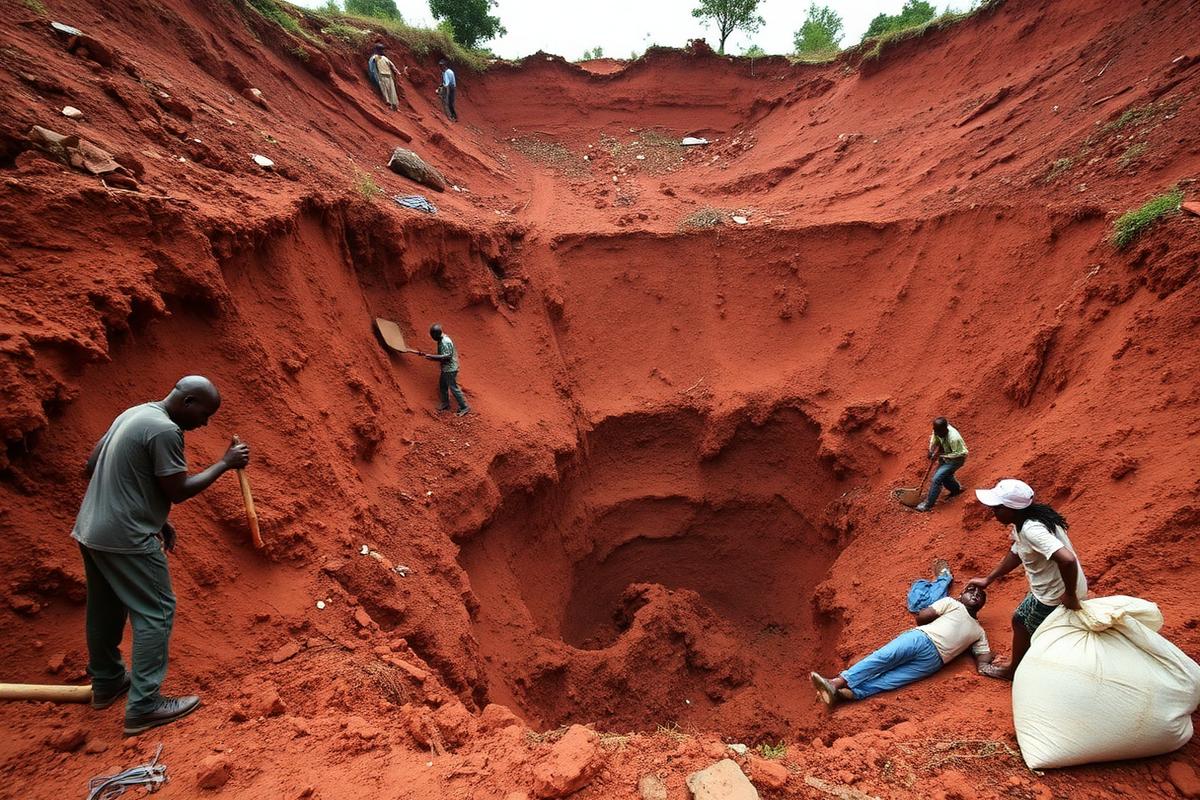
CAR pit collapse: hard lessons for Uganda
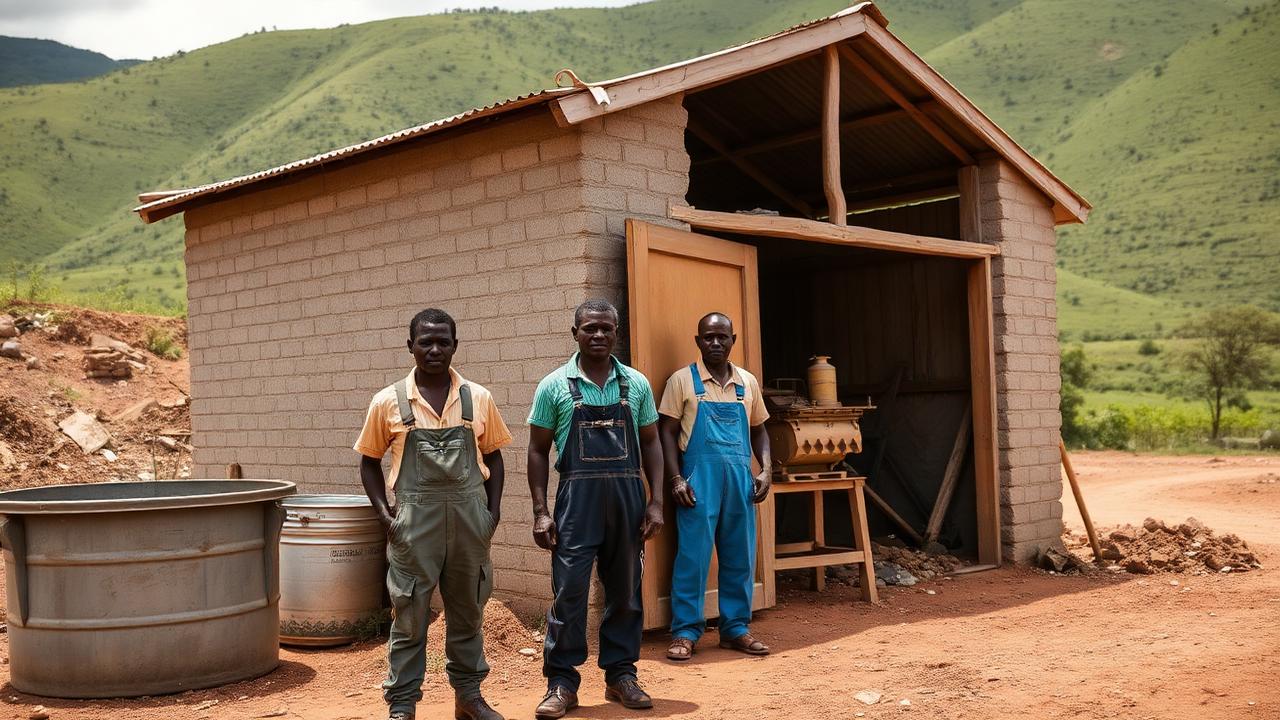
Yumbe gold project targets 20kg a week
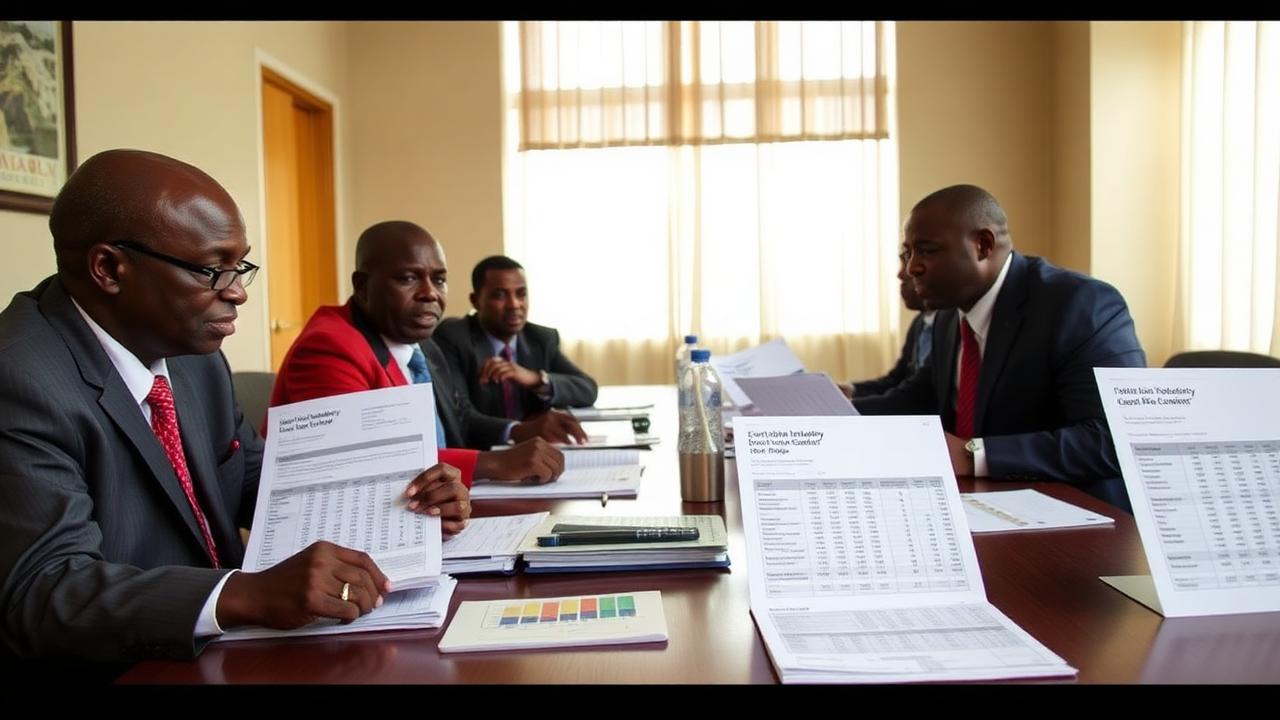
Mineral boom, but company reporting lags
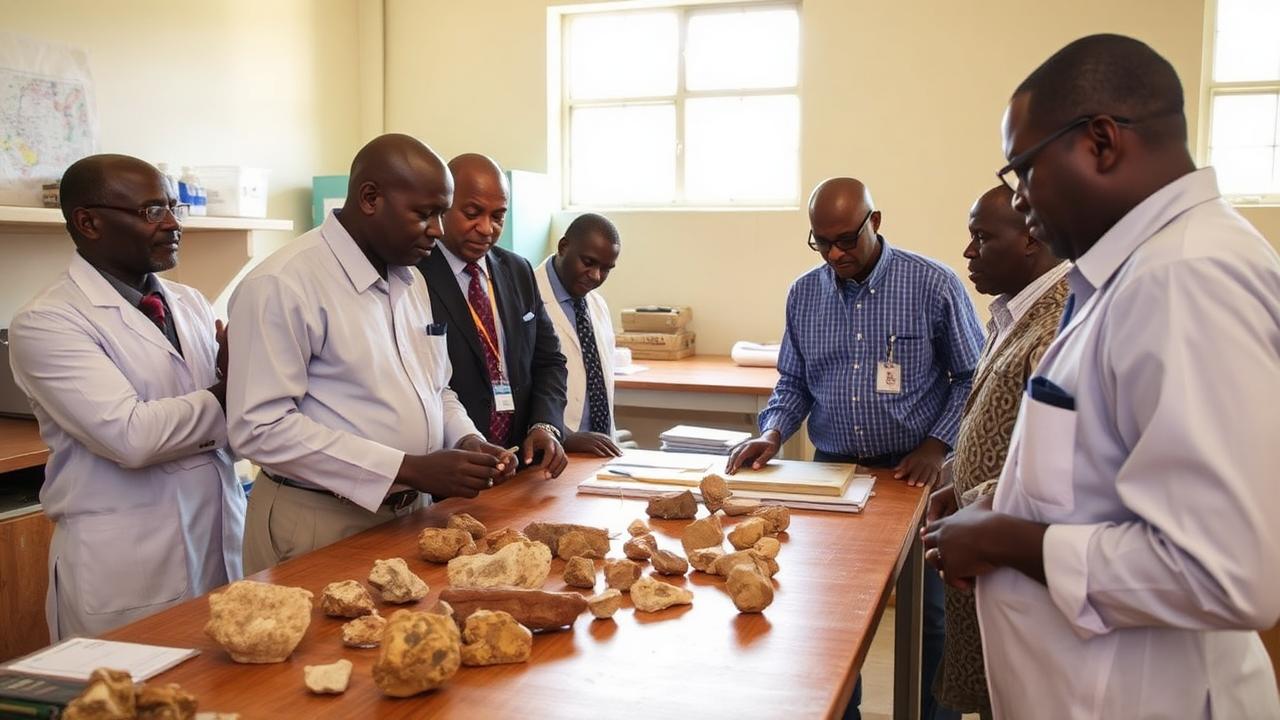
Entebbe assay lab upgrade: what it changes
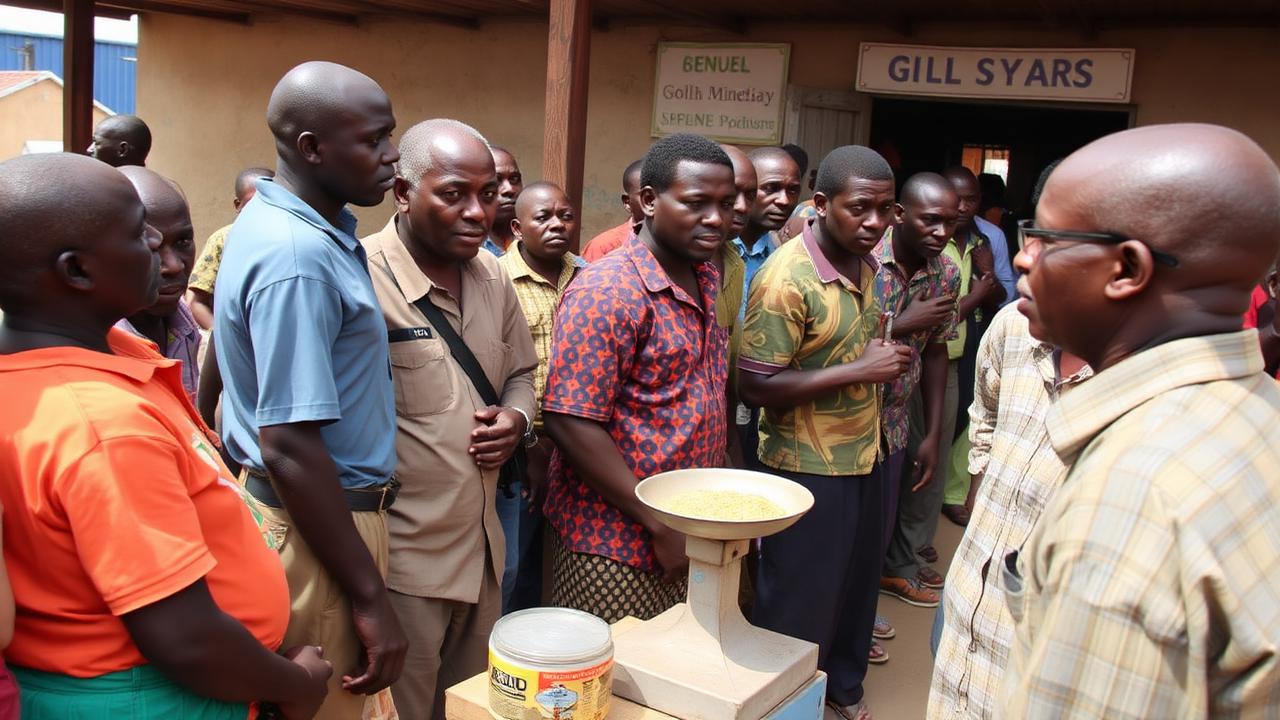
New buying centres test gold price fairness
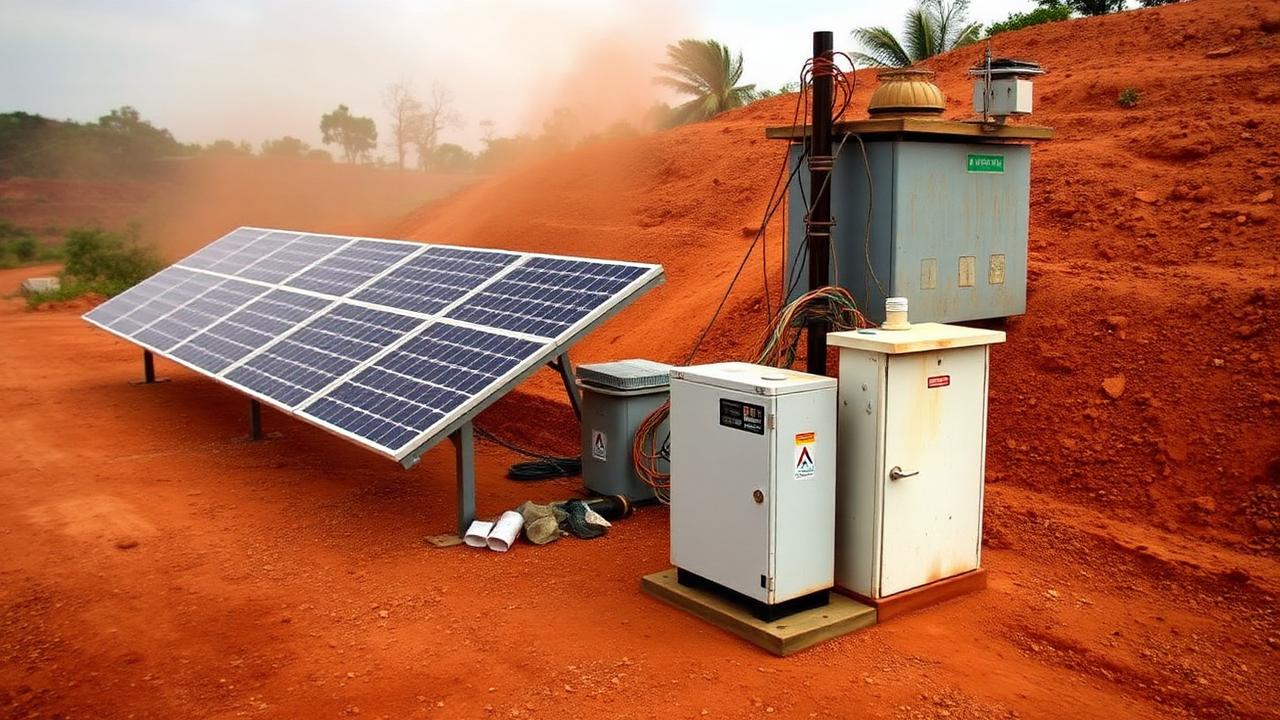
Power costs push mines to solar hybrids
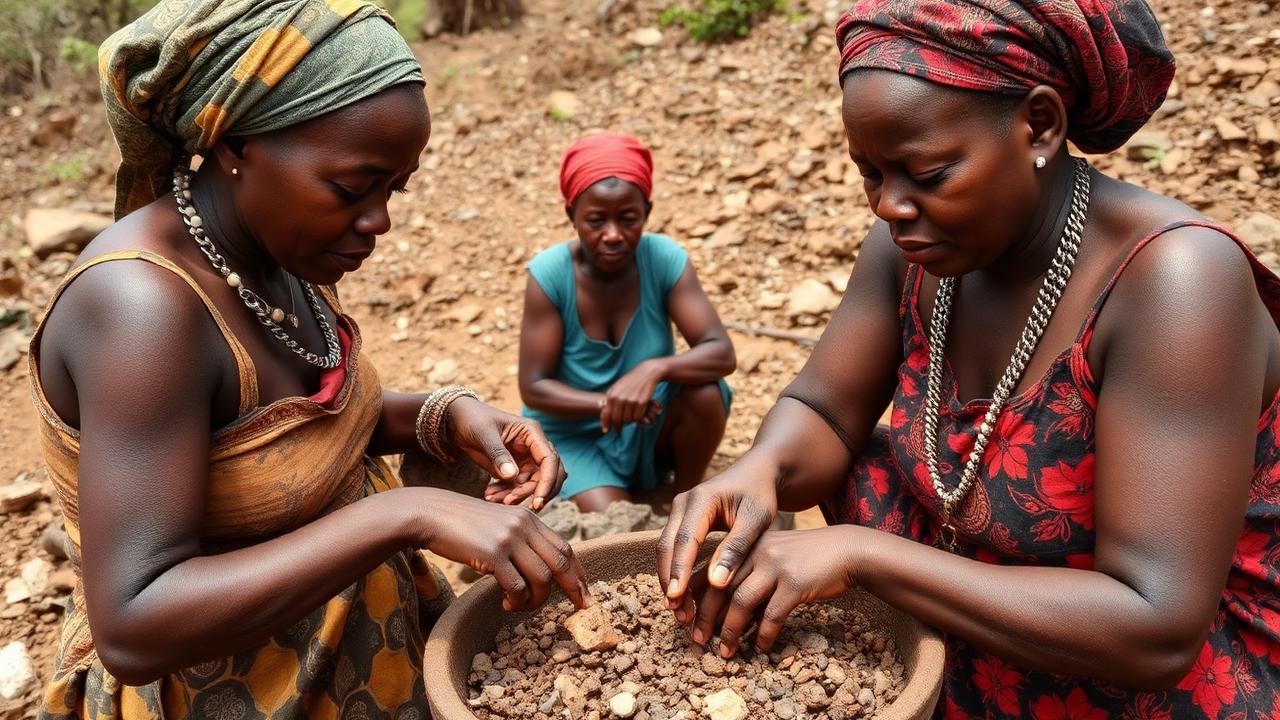
Tin and tungsten cooperatives find footing
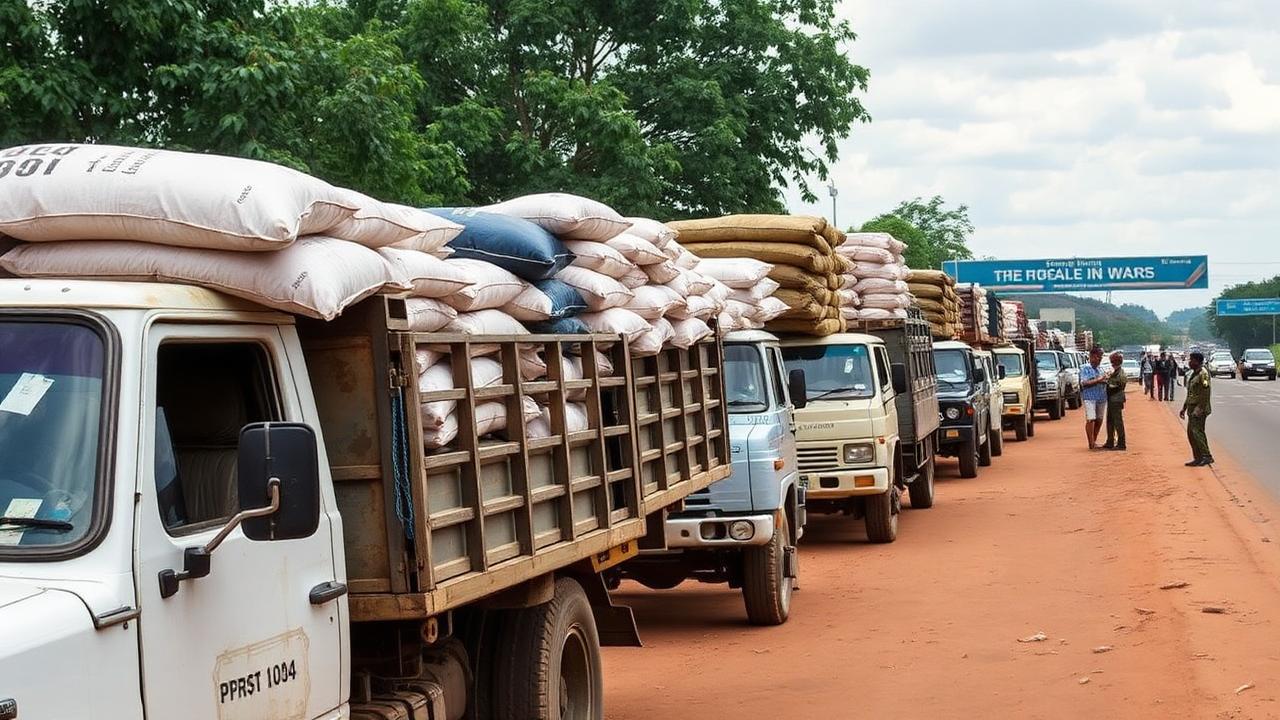
Border checks tighten on mineral transit
Independent research funded by our own work. No corporate sponsorships. No paid profiles.
- No corporate sponsorships
No operator, ministry or investor pays for coverage, placement or a profile on this site.
- Documents first
Licence records, cadastre entries and ministry statements are checked before we publish, and cited at the foot of every report.
- Right of reply
Any operator or agency named in our work may reply, and corrections are published in full.