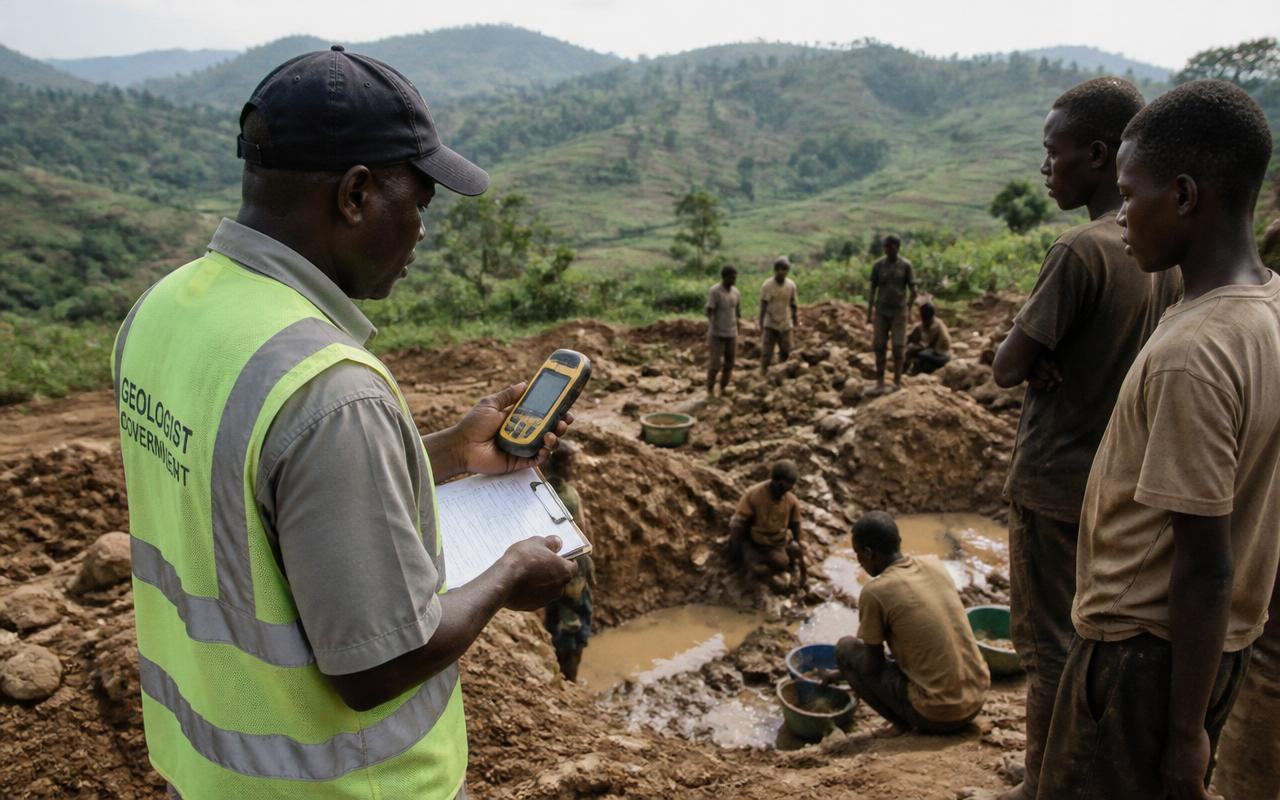
Registration of artisanal and small-scale mining associations has continued to rise since the Mining and Minerals Act 2022 created a formal category for them. The direction is right; the pace is slower than the policy assumed.
01What formalisation buys a miner
So, a registered association can hold a licence, sell to licensed buyers at documented prices, access training and, increasingly, sell into the central bank buy programme. Those are real gains and miners in Buhweju describe them in exactly those terms.
02What it costs
Survey fees, association registration, annual charges and repeated travel to Kampala add up to more than many groups clear in a season. Districts that have hosted mobile registration desks show markedly higher completion rates, which suggests the barrier is administrative access rather than willingness.
03Mercury and safety conditions
Truth be told, Formalisation is also the route through which safety training and mercury-free processing reach the pits. Unregistered groups sit outside every one of those programmes by definition.
04The recommendation that keeps coming back
District-level licence issuance for the smallest categories, with Kampala retaining oversight rather than processing, is the reform most consistently requested by miners, district officers and the sector's own policy briefs. We shall return to it when the numbers come out.
How we verified this: licence and production details are checked against official records and ministry statements where they exist. Corrections are welcome through our contact page.
Receive our monthly briefings on Uganda's mineral licensing and cadastre updates.
One email each month: new licences and renewals on the DGSM cadastre, community agreement filings, and the field research we publish. No sponsors, no advertising.