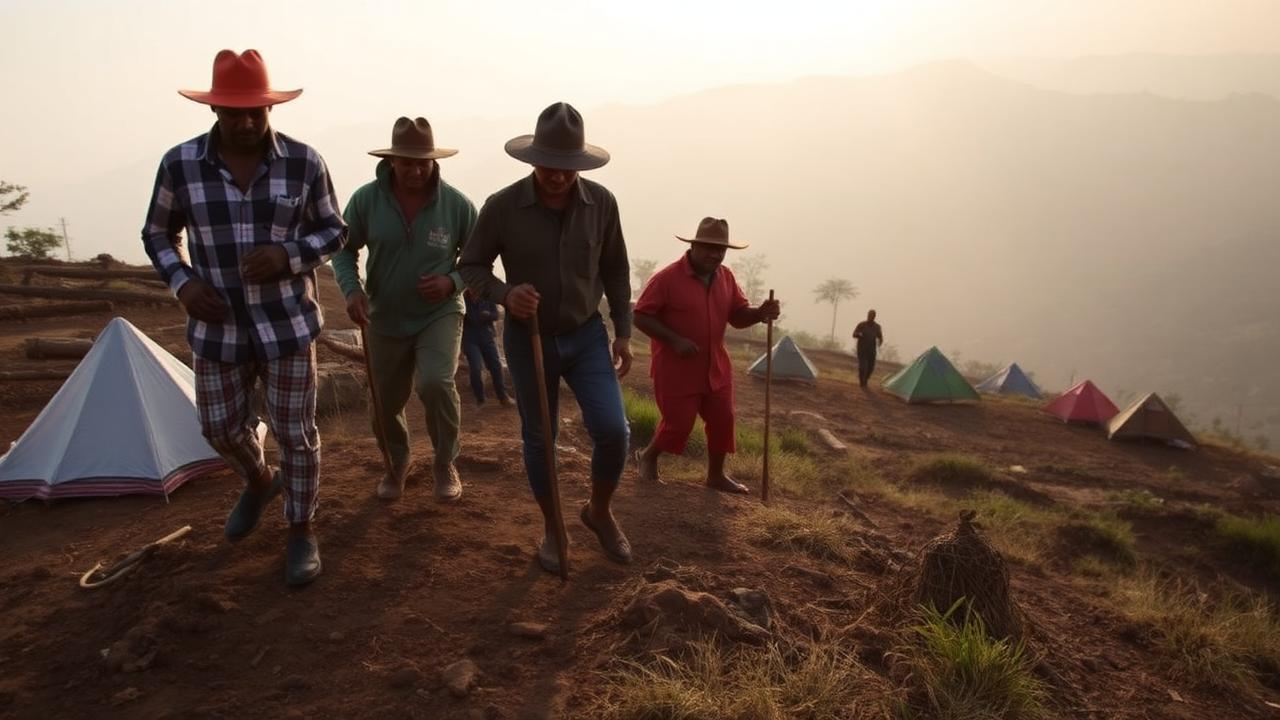
Now, the Mugobwa Katuugo gold exploration site in Kassanda District has been reopened after a four-month suspension, allowing more than 3,000 artisanal prospectors to resume work. The site was closed on 11 April 2026 over exploration being carried out without a licence.
The reopening carries a condition: a 12-month window in which those working the ground are expected to complete the legal requirements for a mineral right.
01Why this matters beyond Kassanda
Most suspensions in Uganda's artisanal sector end in one of two ways: the ground is quietly reoccupied, or it is handed to a licensed holder over the heads of the people already working it. A time-bound reopening tied to a licensing pathway is the more constructive of the available outcomes, and it is the model the Mining and Minerals Act 2022 envisages for artisanal and small-scale operators organised into associations or cooperatives.
02The catch in the twelve months
Truth be told, the deadline is only as good as the processing capacity behind it. UMT's reporting on the DGSM backlog has repeatedly found applications sitting well beyond their statutory timelines, and applicants in Buhweju and Busia describe waits measured in seasons rather than weeks. If 3,000 prospectors are told to formalise within a year and the directorate cannot process the resulting applications, the deadline becomes a future pretext for another closure rather than a route out of informality.
03Livelihood cost of the closure
Four months of suspension is not a neutral administrative period for households whose income comes from the pits. Local leaders describe school fees missed and debts taken on during the closure. That cost should feature in any assessment of whether suspension is the right first instrument, or whether conditional supervision would achieve more.
04What to watch
Three things: how many association or location licence applications are actually lodged from Kassanda in the next quarter, how many are granted, and whether any of the ground is later on allocated to a third party. UMT will track the cadastre record for the area and report the numbers rather than the intentions. For now, we watch and we wait.
How we verified this: licence and production details are checked against official records and ministry statements where they exist. Corrections are welcome through our contact page.
Receive our monthly briefings on Uganda's mineral licensing and cadastre updates.
One email each month: new licences and renewals on the DGSM cadastre, community agreement filings, and the field research we publish. No sponsors, no advertising.