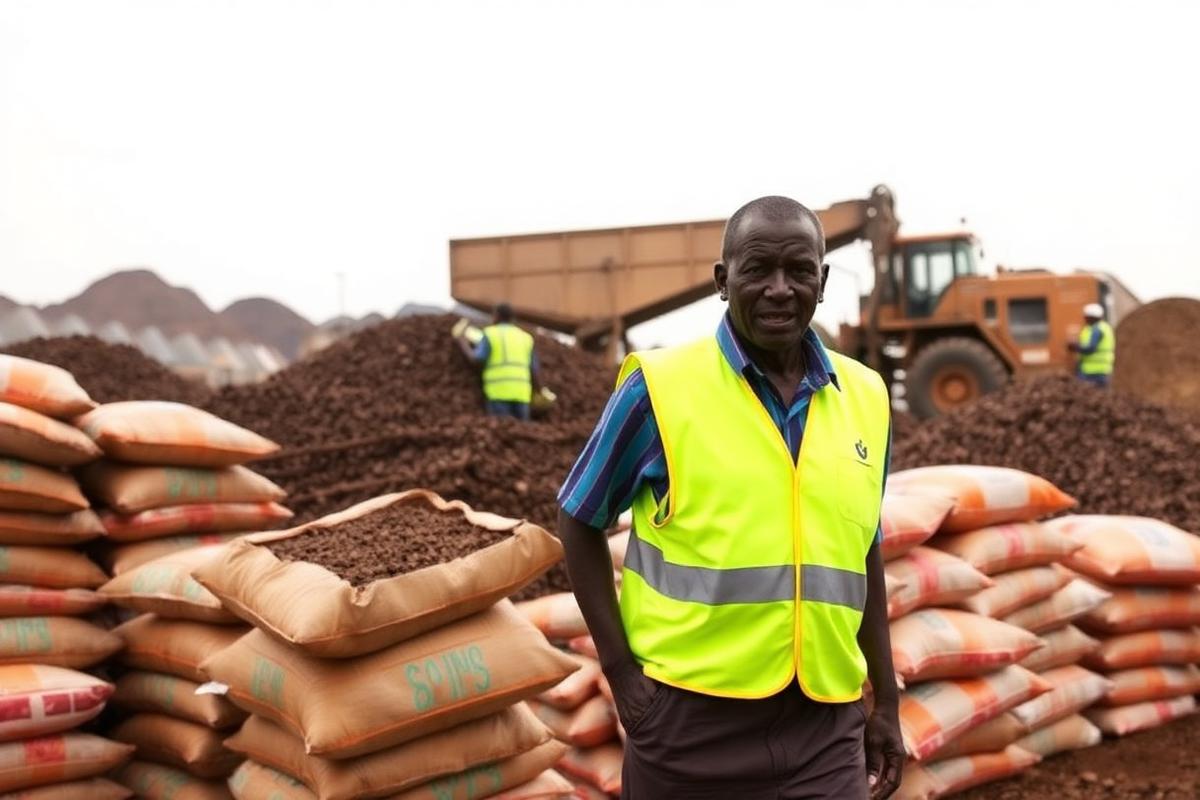
You see, the Democratic Republic of Congo has banned the export of copper and cobalt concentrates with immediate effect, alongside a new tax treatment for mining by-products. The stated aim is to keep refining margins, jobs and tax revenue inside the country rather than shipping partially processed ore abroad for finishing.
The DRC supplies about seventy per cent of the world's cobalt and is the second largest copper producer, so the measure is not a marginal one. Reporting on the decision lists Glencore, Ivanhoe Mines, CMOC, Huayou Cobalt, Zijin Mining and Eurasian Resources Group among the companies affected, with the mines ministry able to grant one-year waivers where an export is judged strategically important, and a three-month transition attached to the new by-product valuation coefficient.
01Why this matters in Kampala
So, Uganda is not a cobalt exporter at DRC scale, but it is drafting the same argument into its own policy. Value addition, local refining and beneficiation have been the framing of ministerial statements and of the minerals policy work now in front of Parliament. The DRC decision is the region's most aggressive test of that argument to date.
Truth be told, the lesson from earlier restrictions elsewhere on the continent is that a ban only converts into domestic value when the plant capacity is already standing. Where it is not, production is deferred, contracts are renegotiated and the revenue the state hoped to capture arrives late, if at all.
02The Ugandan capacity question
Uganda's own processing base is thin outside gold. The Kilembe copper and cobalt complex in Kasese remains dormant, the Kasese cobalt tailings plant needs refurbishment, and tin and tungsten smelting capacity is small and power-constrained. A Ugandan concentrate export restriction written today would apply to capacity that mostly does not yet exist.
On the ground, that is an argument for sequencing rather than against value addition. Restriction works when it follows investment; when it precedes it, it functions as a tax on the only buyers currently willing to take Ugandan material.
03What to watch
Three things over the next two quarters: whether the DRC's waiver process becomes routine rather than exceptional, whether refining investment actually lands in Katanga in response, and whether the drafters of Uganda's value-addition provisions attach the restriction to a capacity trigger instead of a fixed date. For now, we watch and we wait.
How we verified this: licence and production details are checked against official records and ministry statements where they exist. Corrections are welcome through our contact page.
Receive our monthly briefings on Uganda's mineral licensing and cadastre updates.
One email each month: new licences and renewals on the DGSM cadastre, community agreement filings, and the field research we publish. No sponsors, no advertising.