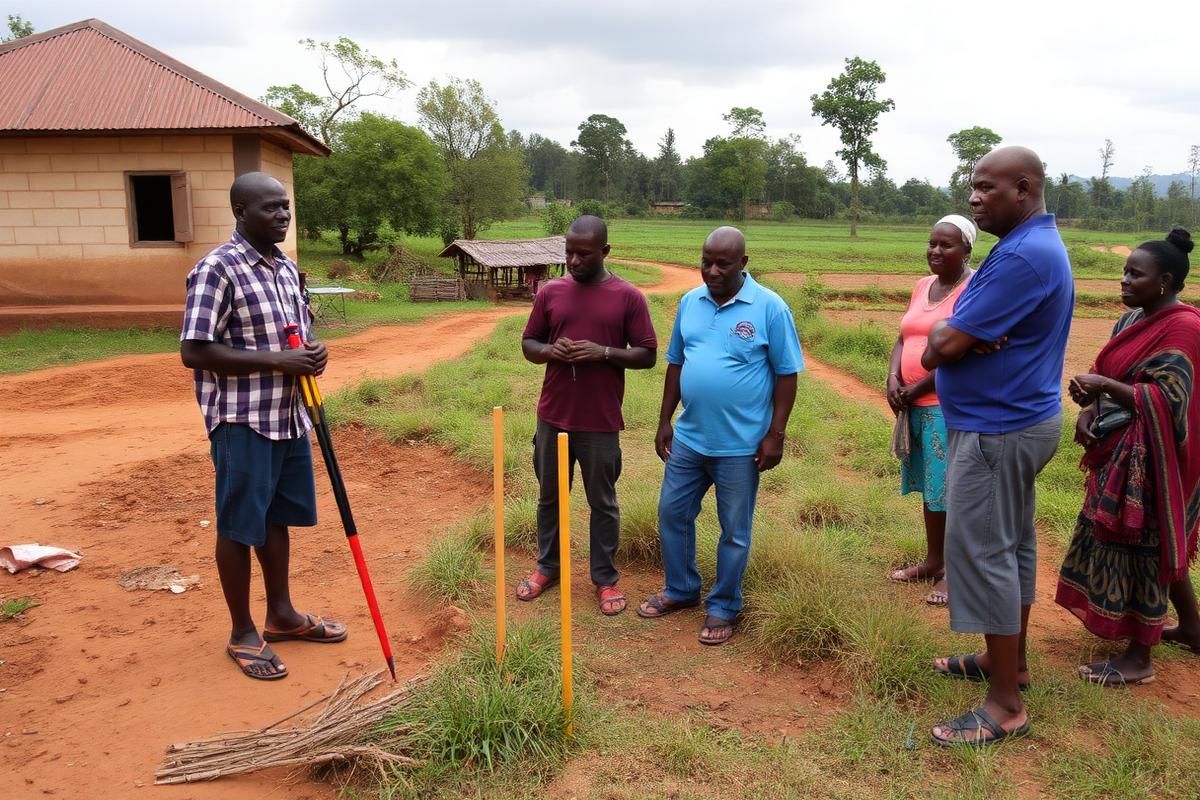
Truth be told, rwenzori Rare Metals holds a 21-year large-scale mining licence covering about 40 square kilometres across four districts of the Busoga region. Assessments put the number of households potentially affected or displaced at about 4,867, a figure that has driven most of the local debate since the licence was issued.
01What affected means in practice
Ionic clay mining is shallow and progressive rather than a single large pit, so most households face partial loss of cultivated land and phased disturbance rather than immediate removal. That distinction is poorly understood in the villages concerned and is the source of much of the anxiety.
02Compensation timing
You see, the complaint UMT heard most consistently across three sub-counties is sequencing. Valuation exercises have been conducted, but disclosure of rates and the timetable for payment has lagged. Under the Mining and Minerals Act 2022 compensation must be settled before disturbance; where that ordering slips, trust does not recover.
03Crops, tenure and women
Truth be told, a large share of affected plots are held under customary arrangements, and women who farm land registered to male relatives are structurally disadvantaged in valuation. District land committees have raised this and it remains unaddressed in the published framework.
04What would fix it
Publishing the valuation schedule and a grievance mechanism with named district officials would cost the developer very little and would remove most of the current objection. The rare earths case for the project is strong; the social process is the weak link. On the ground, that is what matters most.
How we verified this: licence and production details are checked against official records and ministry statements where they exist. Corrections are welcome through our contact page.
Receive our monthly briefings on Uganda's mineral licensing and cadastre updates.
One email each month: new licences and renewals on the DGSM cadastre, community agreement filings, and the field research we publish. No sponsors, no advertising.