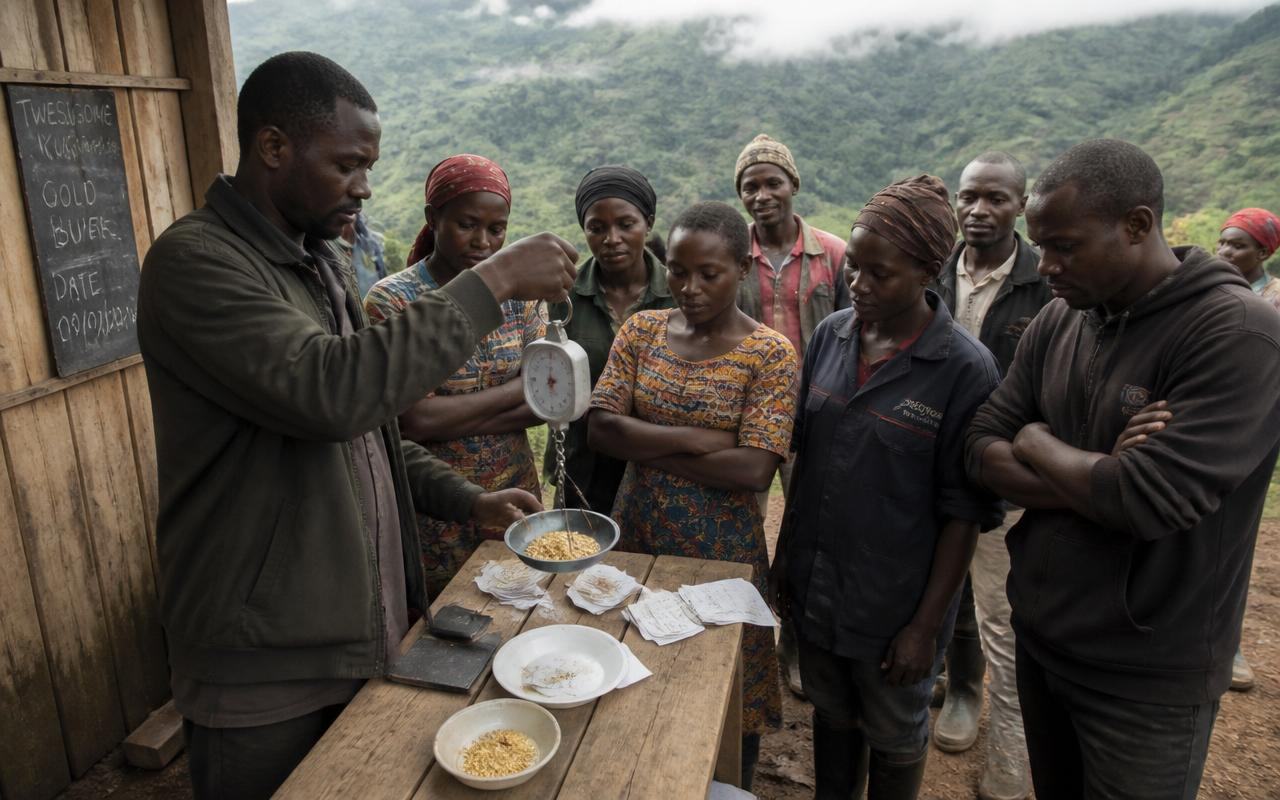
Truth be told, delegates representing cooperatives from Buhweju, Mubende, Busia, Karamoja and Kitgum met in Kampala in September 2025 and voted to establish a national federation of artisanal and small-scale miners. The federation is designed to negotiate collectively with the Directorate of Geological Survey and Mines, with aggregators and with international responsible-sourcing schemes.
Truth be told, for a workforce that has historically been fragmented, invisible in statute and price-taking at the pit head, the federation is a genuine structural change. Its success will depend on transparent governance and on whether cooperatives at the district level see it delivering on price, safety and market access.
01What a federation can do that a cooperative cannot
Individual cooperatives negotiate from a weak position: they are small, geographically isolated and dependent on the buyers who reach them. A federation aggregates that position. It can put a single set of grievances to the ministry, seek collective terms from buyers and equipment suppliers, and provide the legal and technical advice that no single group can fund alone.
02The agenda members brought
Truth be told, the the usual items from delegates were licensing delays at the directorate, the cost and complexity of environmental compliance for small operators, mercury alternatives, and access to finance for equipment. Notably, few delegates argued against regulation as such. The complaint was consistently about the cost and speed of complying with it.
03The governance risk
Federations of this kind succeed or fail on internal accountability. A national body that becomes a channel for patronage, or that is captured by the largest cooperatives, will lose the smaller members it exists to represent. Published accounts, rotating leadership and transparent member fees are the unglamorous features that will determine whether it lasts.
04Counter-argument
There is also a risk that a single national interlocutor suits government more than it suits miners. Dealing with one federation is administratively convenient, and convenience can slide into co-option if the body depends on state funding or official recognition for its position.
05What to watch
Now, whether the federation registers formally and publishes accounts, whether it is given a seat in ministry consultations, and whether licensing turnaround times for member cooperatives improve measurably. That question is still open, and it should be.
How we verified this: licence and production details are checked against official records and ministry statements where they exist. Corrections are welcome through our contact page.
Receive our monthly briefings on Uganda's mineral licensing and cadastre updates.
One email each month: new licences and renewals on the DGSM cadastre, community agreement filings, and the field research we publish. No sponsors, no advertising.