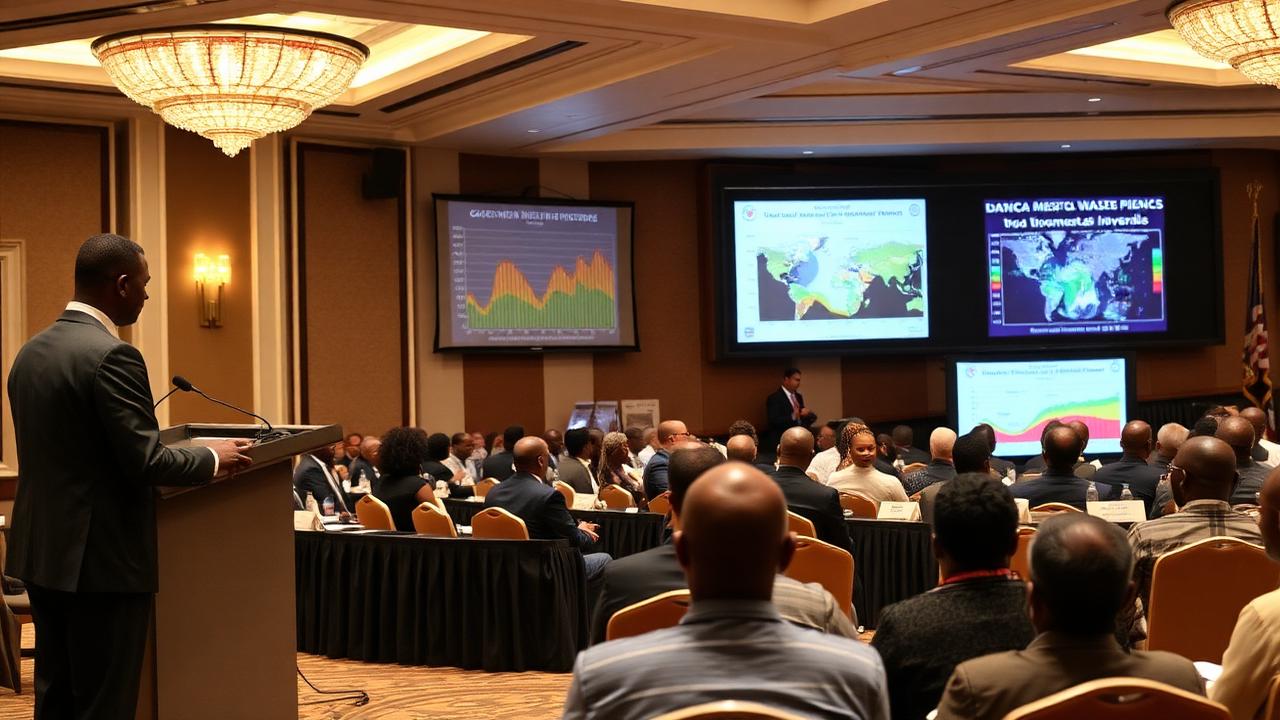
You see, Government communication this month has returned to a familiar theme: Uganda's mineral endowment as an engine of economic transformation, sitting beside oil in the national growth story. Gold, rare earths at Makuutu, iron ore in the south west, phosphates at Sukulu and industrial minerals across the country are all cited.
The endowment is not in doubt. What is in doubt is the conversion rate between geology and public revenue.
01What the strategy gets right
Three planks of the current approach are defensible on the evidence. Formalising artisanal production brings volume into a channel that can be taxed and made safer. Restricting raw export of selected minerals creates a reason to build processing capacity domestically. Digitising the cadastre reduces the discretion that has historically made licensing a rent-seeking exercise. Each is a structural fix rather than a headline project.
02Where the record is weaker
Truth be told, Set against that, the Auditor General has repeatedly found royalty collection falling short of what declared production implies, and district shares of royalty arrive late where they arrive at all. Export restrictions announced ahead of the processing capacity to absorb the material push activity into smuggling rather than into factories. And the licensing backlog remains the single most cited grievance among the medium-scale operators the strategy depends on.
03The commodity price question
A minerals-led growth plan carries a cycle risk that an agricultural or services plan does not. Much of the current optimism rests on a strong gold price. If prices soften, the marginal medium-scale operations that formalisation is meant to bring into the net are the first to close, and the revenue projections built on them go with them.
04What would make the pitch credible
Three measurable things, none of which requires new legislation: published quarterly royalty collection against declared production, published licensing turnaround times by licence type, and published district transfers of the royalty share. Uganda already collects all three internally. Publishing them would do more for investor confidence than another investment forum. We shall return to it when the numbers come out.
How we verified this: licence and production details are checked against official records and ministry statements where they exist. Corrections are welcome through our contact page.
Receive our monthly briefings on Uganda's mineral licensing and cadastre updates.
One email each month: new licences and renewals on the DGSM cadastre, community agreement filings, and the field research we publish. No sponsors, no advertising.