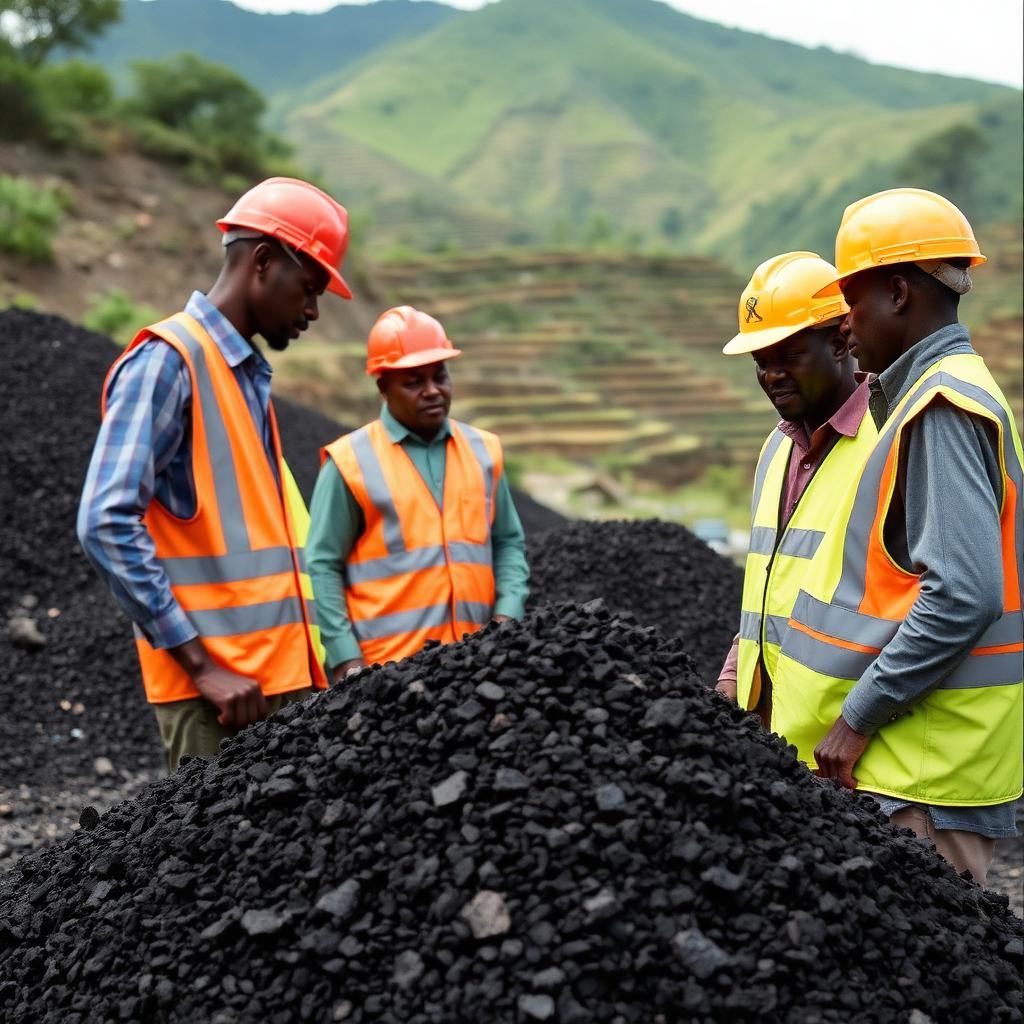
You see, Uganda's iron ore endowment is not in doubt. Proven reserves across Muko in Kabale, Bukusu in Mbale and the Sukulu Hills in Tororo are cited at around 260 million tonnes, with Muko haematite grading high enough for direct reduction.
01The constraint is not geology
Steel making is an electricity business. Uganda's industrial tariff, while improved, still sits above the level at which regional smelting competes with imported billet, and the Muko deposits sit far from both the grid's strongest nodes and the rail network.
02What is actually being built
Practical progress has come in downstream rolling and re-rolling capacity around Kampala and Jinja, which uses imported and scrap feed. Connecting that capacity to domestic ore requires an intermediate processing step that no one has yet financed.
03Local effect in Kabale
Truth be told, for Kabale, what is real now is quarrying and trucking employment rather than industrial jobs. Road damage from ore trucks is the the usual district complaint and it has not been resolved through the current licence conditions.
04Realistic timeline
On current tariffs and infrastructure, a domestic integrated steel chain is a decade matter. The intermediate win, upgrading ore to a saleable concentrate for regional buyers, is available now and gets far less political attention than it deserves. We shall return to it when the numbers come out.
How we verified this: licence and production details are checked against official records and ministry statements where they exist. Corrections are welcome through our contact page.
Receive our monthly briefings on Uganda's mineral licensing and cadastre updates.
One email each month: new licences and renewals on the DGSM cadastre, community agreement filings, and the field research we publish. No sponsors, no advertising.