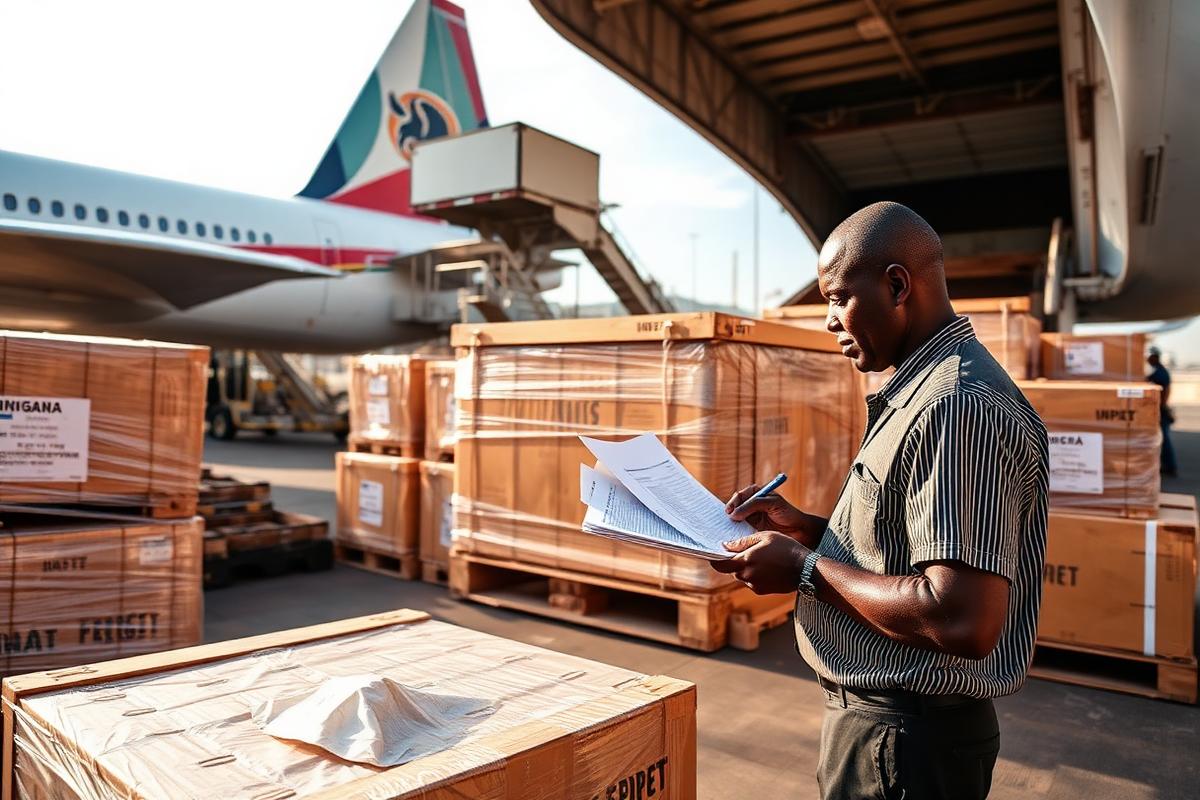
Uganda earned more than five billion dollars from gold exports across the most recent reporting period, making the metal comfortably the country's leading export commodity and, by official counts, more than three-quarters of total export earnings.
01The composition problem
Truth be told, the headline figure describes trade, not production. A big part of the volume leaving Entebbe is metal refined in Uganda but mined elsewhere in the region. That is legitimate business and it supports domestic refining capacity, yet it inflates any reading of the country's own mine output.
02What domestic production actually contributes
Me I can say, large-scale domestic output remains modest against those totals. Wagagai in Busia is targeting 1.2 tonnes of refined gold a year at full capacity. Medium-scale licensed operators contribute smaller, more variable tonnages, and artisanal production is only partially captured in official data.
03Policy consequences
Truth be told, if gold is now the fiscal backbone, the sector's exposure to a price correction is a macroeconomic question rather than a mining one. Widening the domestic production base, rather than the refining base, is the only durable hedge, and that means licensing throughput at the district level rather than more refinery announcements.
UMT will track quarterly export data against DGSM production returns to show how the two series diverge. That question is still open, and it should be.
How we verified this: licence and production details are checked against official records and ministry statements where they exist. Corrections are welcome through our contact page.
Receive our monthly briefings on Uganda's mineral licensing and cadastre updates.
One email each month: new licences and renewals on the DGSM cadastre, community agreement filings, and the field research we publish. No sponsors, no advertising.