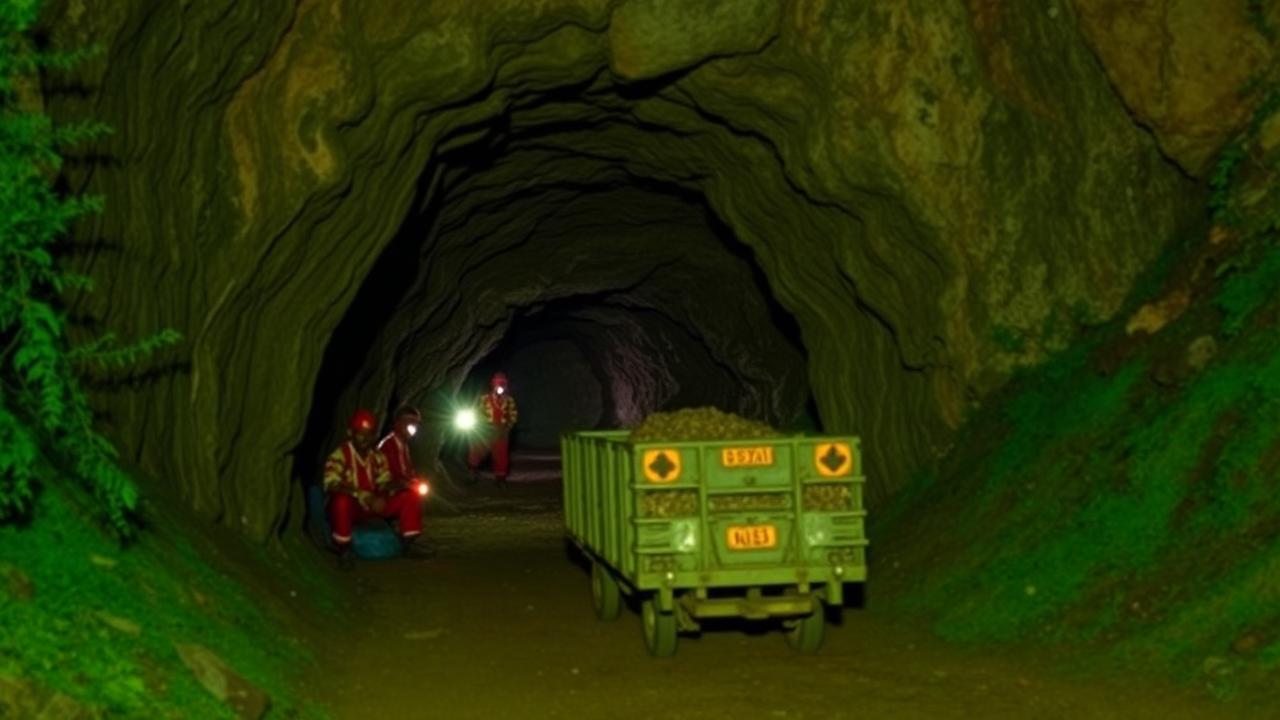
Firmer international prices for tin and tungsten have pulled several medium-scale underground operations in Kabale and Kisoro back into production after years of intermittent work. Shafts that were on care and maintenance are being dewatered and re-timbered.
01The economics are marginal, not comfortable
Concentrate grades in the south west are workable, but the cost stack is unforgiving. Diesel generation fills the gaps when grid supply drops, and trucking to the tin smelter at Ruti in Mbarara adds cost per tonne that a small operator cannot negotiate down. A price retreat of any depth puts these shafts back on care and maintenance.
02Where the value could be kept
Uganda captures most value when concentrate is smelted domestically rather than trucked across a border. Consistent feed from several medium-scale mines is what keeps a smelter loaded, so the policy question is less about new licences and more about whether existing operators can move ore reliably and cheaply enough to supply one.
03Safety is the quiet risk
Truth be told, Underground work in the south west is largely hand-drilled with limited ventilation engineering. Reopening old workings without a documented ground-support plan is how avoidable accidents happen. District inspection capacity has not grown with the number of active portals.
Me I can say, for now the reopenings are a genuine positive for local employment. Whether they last through the next price cycle depends on infrastructure decisions that sit outside the mine gate. Time will show whether the paper becomes work.
How we verified this: licence and production details are checked against official records and ministry statements where they exist. Corrections are welcome through our contact page.
Receive our monthly briefings on Uganda's mineral licensing and cadastre updates.
One email each month: new licences and renewals on the DGSM cadastre, community agreement filings, and the field research we publish. No sponsors, no advertising.