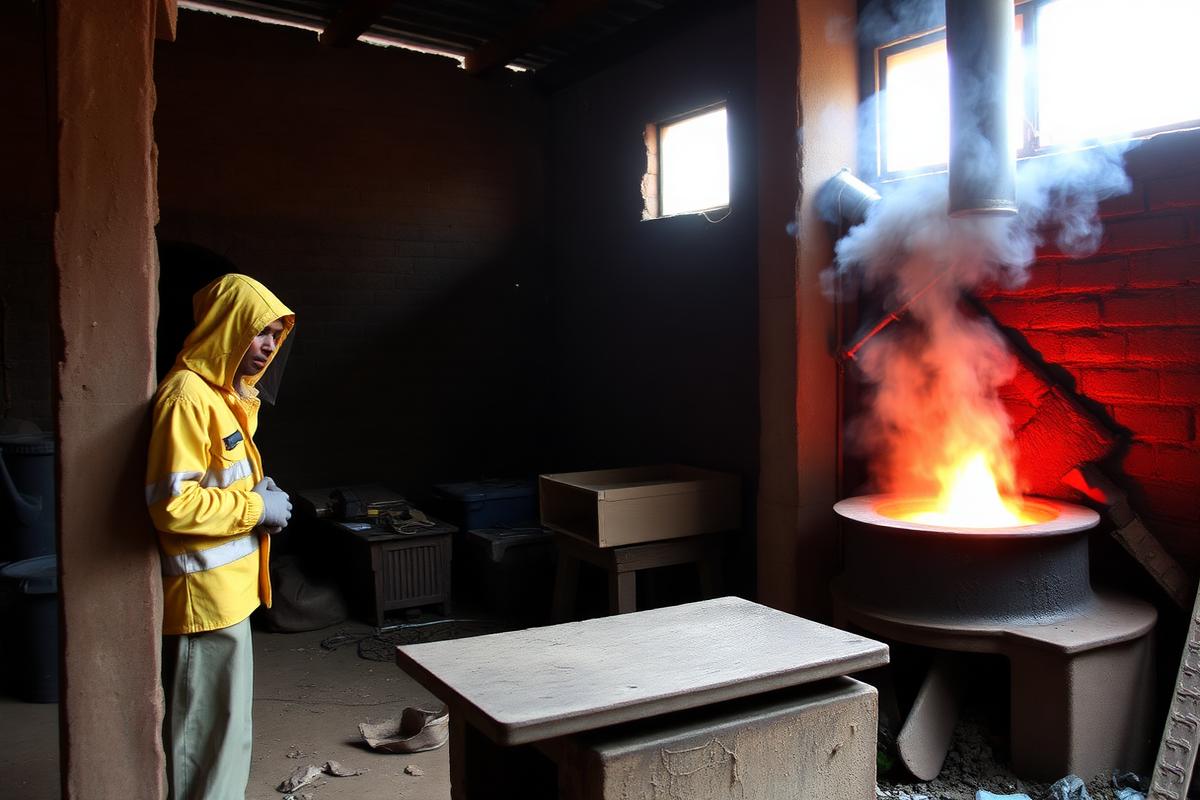
Now, Uganda's first tin smelter, commissioned at Ruti in Mbarara, has given producers of tin, tungsten and tantalum in the south west something they have never had: a buyer inside the country that pays for metal content rather than for a sack of concentrate.
01Why the outlet matters more than the tonnage
Now, the smelter is small by global standards. Its significance is pricing discipline. Cooperatives in Ntungamo and Kisoro previously sold to traders who assayed informally and set discounts unilaterally. A domestic smelter with published assay procedure changes the negotiation.
02Supply is the bottleneck
Feed is the problem. Most 3T production in the region is artisanal and seasonal, and the smelter has run below nameplate capacity for want of consistent concentrate. Aggregation through licensed cooperatives is the obvious remedy and is progressing slowly.
03Traceability
Truth be told, International buyers of 3T minerals require chain-of-custody documentation to satisfy conflict-minerals due diligence. A domestic smelter that keeps proper records converts a compliance obstacle into a selling point for Ugandan material.
04What the districts want
On the ground, local leaders in Ntungamo have asked for a satellite buying station closer to the pits, arguing that trucking cost is what pushes producers back to informal traders. That is a modest ask and it would probably do more for formalisation than another policy circular. Time will show whether the paper becomes work.
How we verified this: licence and production details are checked against official records and ministry statements where they exist. Corrections are welcome through our contact page.
Receive our monthly briefings on Uganda's mineral licensing and cadastre updates.
One email each month: new licences and renewals on the DGSM cadastre, community agreement filings, and the field research we publish. No sponsors, no advertising.