Royalty sharing is one of the few parts of Ugandan mining law that is genuinely simple. Royalties collected on mineral production are apportioned between central government, the local government of the area and the owner or lawful occupier of the land. The proportions are set in law, not negotiated case by case.
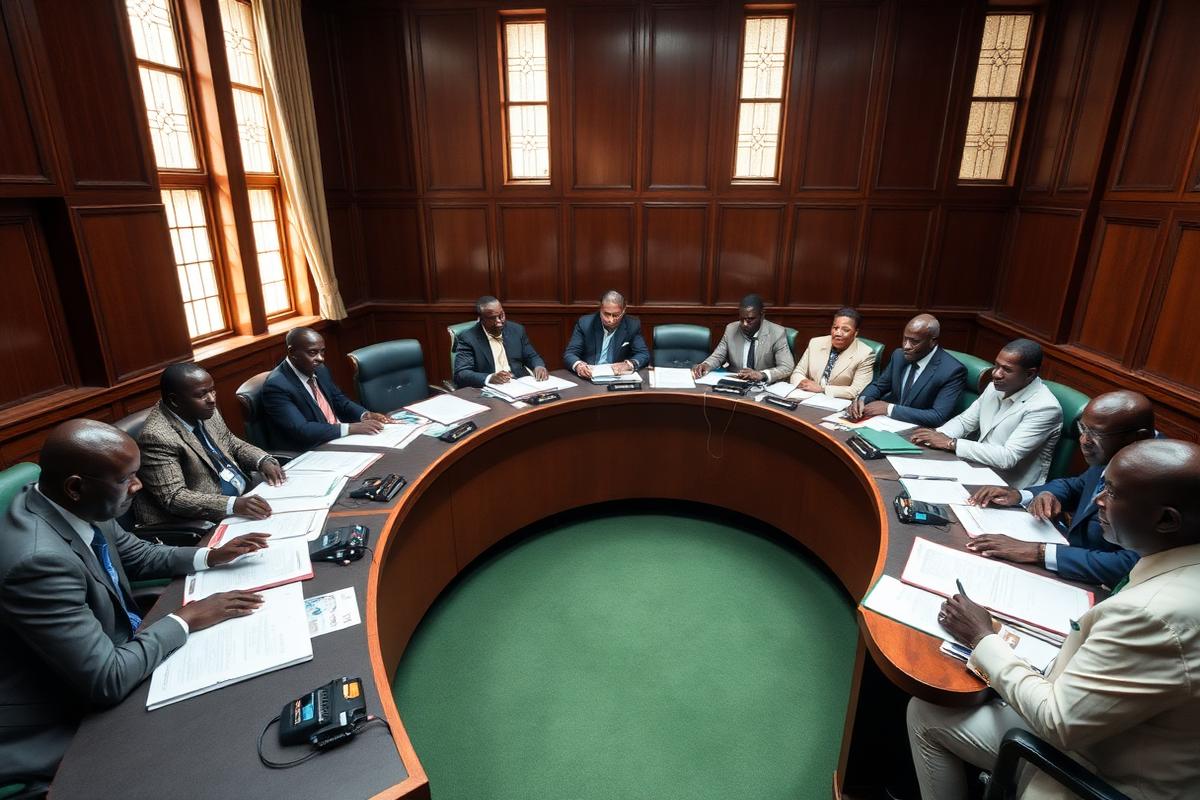
Me I can say, the the usual finding put before Parliament's natural resources committee is not that the formula is wrong. It is that transfers arrive late, arrive incomplete, or arrive without a breakdown showing which production they relate to.
01Why late is the same as lost
So, a sub-county that receives a royalty transfer two financial years after the production it derives from cannot plan against it. It will already have committed or foregone the spending that the transfer was meant to fund, and the money arrives into a budget cycle that has no line for it. That is how transfers end up absorbed into recurrent costs rather than the road, borehole or classroom the community associates with the mine.
02The landowner share is the weakest link
Truth be told, the landowner or lawful occupier portion depends on someone identifying who that is. Where land is customary, unregistered or disputed, the share has nowhere to go, and there is no consistent district practice for holding it. Communities read the absence as theft. In many cases it is administrative failure, which is fixable, and in some it is not, which is why the distinction has to be established rather than assumed.
03What would settle it
A published, district-level statement of royalties assessed, collected and transferred, by mineral and by period. Until that exists, every committee session on this subject will repeat the last one. That question is still open, and it should be.
How we verified this: licence and production details are checked against official records and ministry statements where they exist. Corrections are welcome through our contact page.
Receive our monthly briefings on Uganda's mineral licensing and cadastre updates.
One email each month: new licences and renewals on the DGSM cadastre, community agreement filings, and the field research we publish. No sponsors, no advertising.