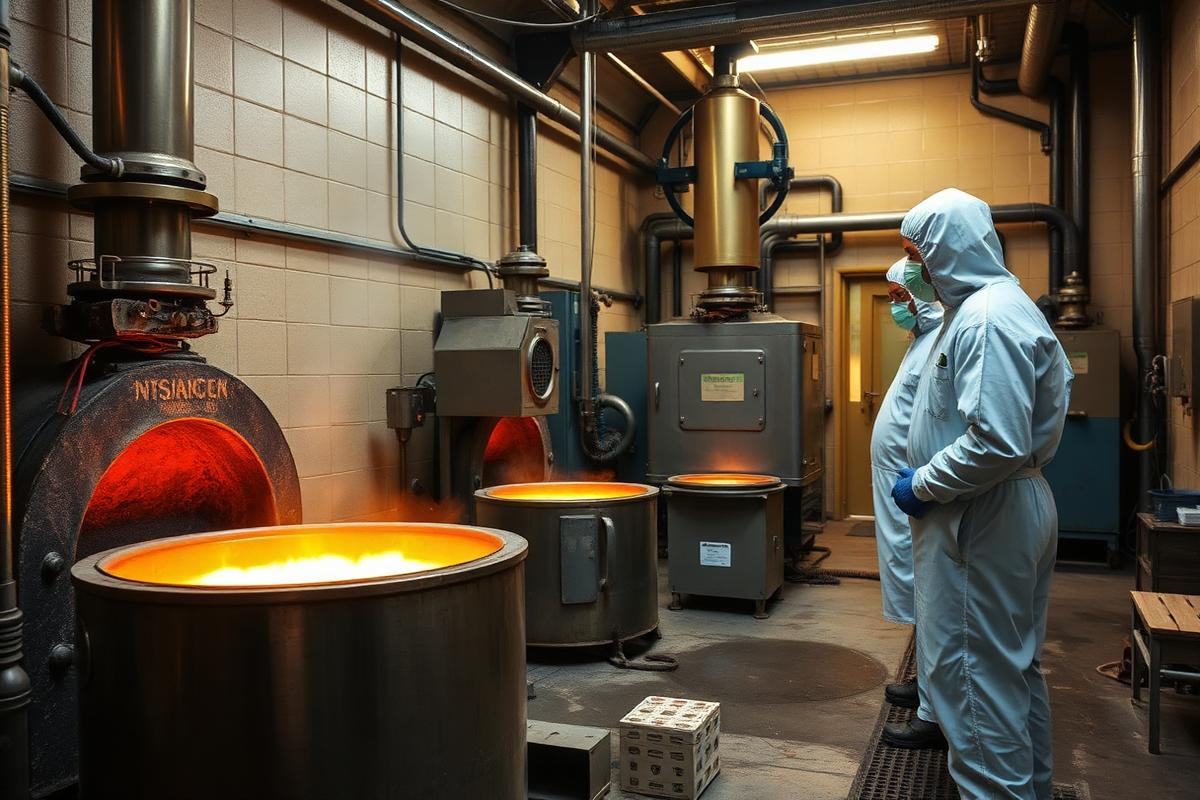
Uganda's installed gold refining capacity is several times its domestic mine production. The difference is made up with metal sourced from across the region, which is legal where properly declared and a serious reputational exposure where it is not.
01The due-diligence exposure
International buyers apply chain-of-custody standards that require refiners to show the origin of every input. Where regional feed arrives with thin documentation, the refiner carries the risk and, increasingly, so does the country's export brand.
02What good practice looks like
The refiners with international accreditation maintain input registers, reject undocumented parcels and submit to third-party audit. Those controls exist and are auditable; the sector's problem is that they are not uniform.
03Why capacity was built ahead of supply
Truth be told, Refining capacity was an investment bet on the export policy and on regional flows, not on Ugandan geology. That bet has paid commercially and left the sector structurally dependent on cross-border supply.
04The measurable fix
Publishing aggregate refinery input data by declared country of origin, without naming commercial counterparties, would let anyone assess the exposure. There is no confidentiality argument against it at aggregate level. Us, we prefer to see it before we believe it.
How we verified this: licence and production details are checked against official records and ministry statements where they exist. Corrections are welcome through our contact page.
Receive our monthly briefings on Uganda's mineral licensing and cadastre updates.
One email each month: new licences and renewals on the DGSM cadastre, community agreement filings, and the field research we publish. No sponsors, no advertising.