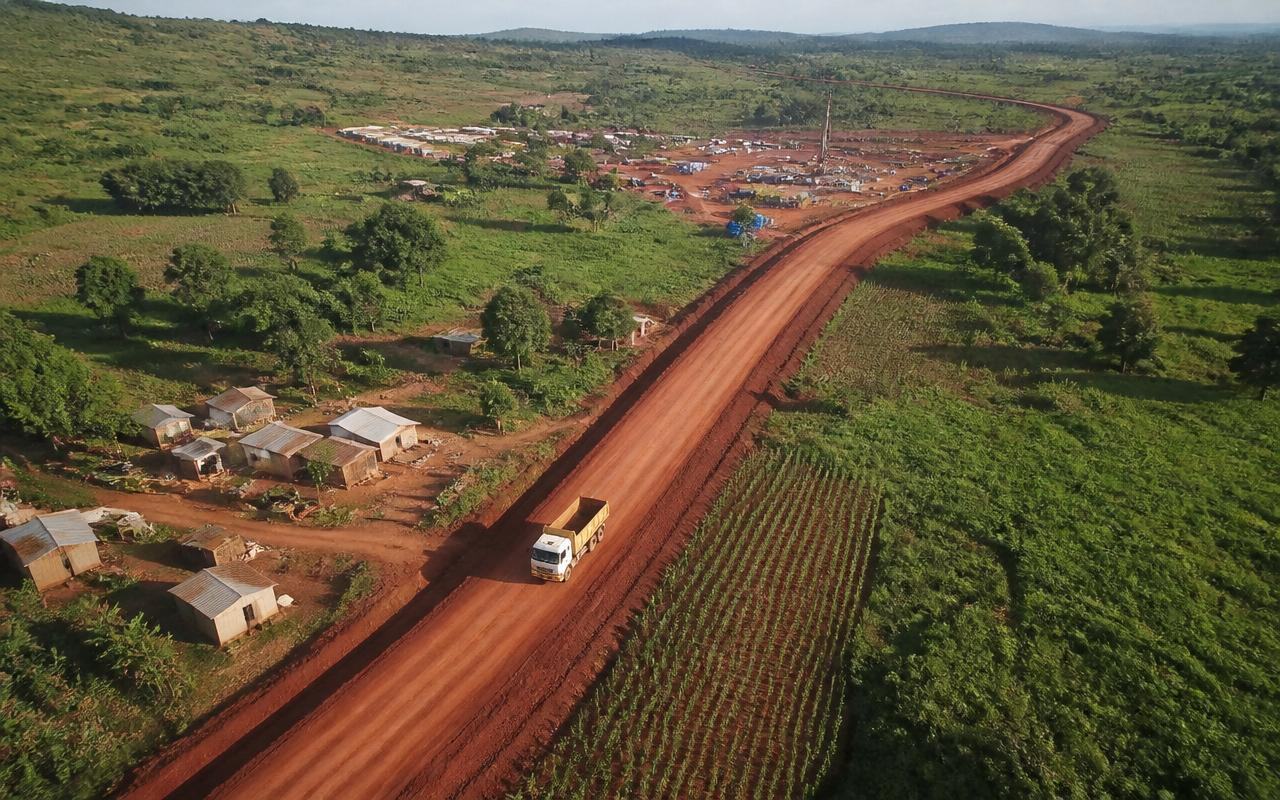
Uganda's mineral inventory is broad: gold, copper, cobalt, iron ore, rare earths, phosphates, limestone, vermiculite, graphite, tin and tungsten. The list has been broadly known for decades. What separates the producing deposits from the dormant ones is rarely geology.
01Haulage economics
So, for bulk minerals, transport can exceed the value of the material over surprisingly short distances. Muko iron ore and Moroto limestone are both constrained by road condition more than by grade.
02Power
Processing is where value is captured and processing needs reliable electricity at an industrial tariff. Several licensed operators run on diesel generation, which quietly rules out any energy-intensive beneficiation step.
03Border friction
Truth be told, for producers in the west and south west, the practical export route runs through neighbouring countries. Clearance delays at border posts fall hardest on small consignments, which is precisely what formalising artisanal producers ship.
04The unsexy conclusion
A grading programme on three haul corridors and two substation upgrades would unlock more mineral value than the next round of exploration incentives. It is a harder announcement to make and a better use of money. For now, we watch and we wait.
How we verified this: licence and production details are checked against official records and ministry statements where they exist. Corrections are welcome through our contact page.
Receive our monthly briefings on Uganda's mineral licensing and cadastre updates.
One email each month: new licences and renewals on the DGSM cadastre, community agreement filings, and the field research we publish. No sponsors, no advertising.