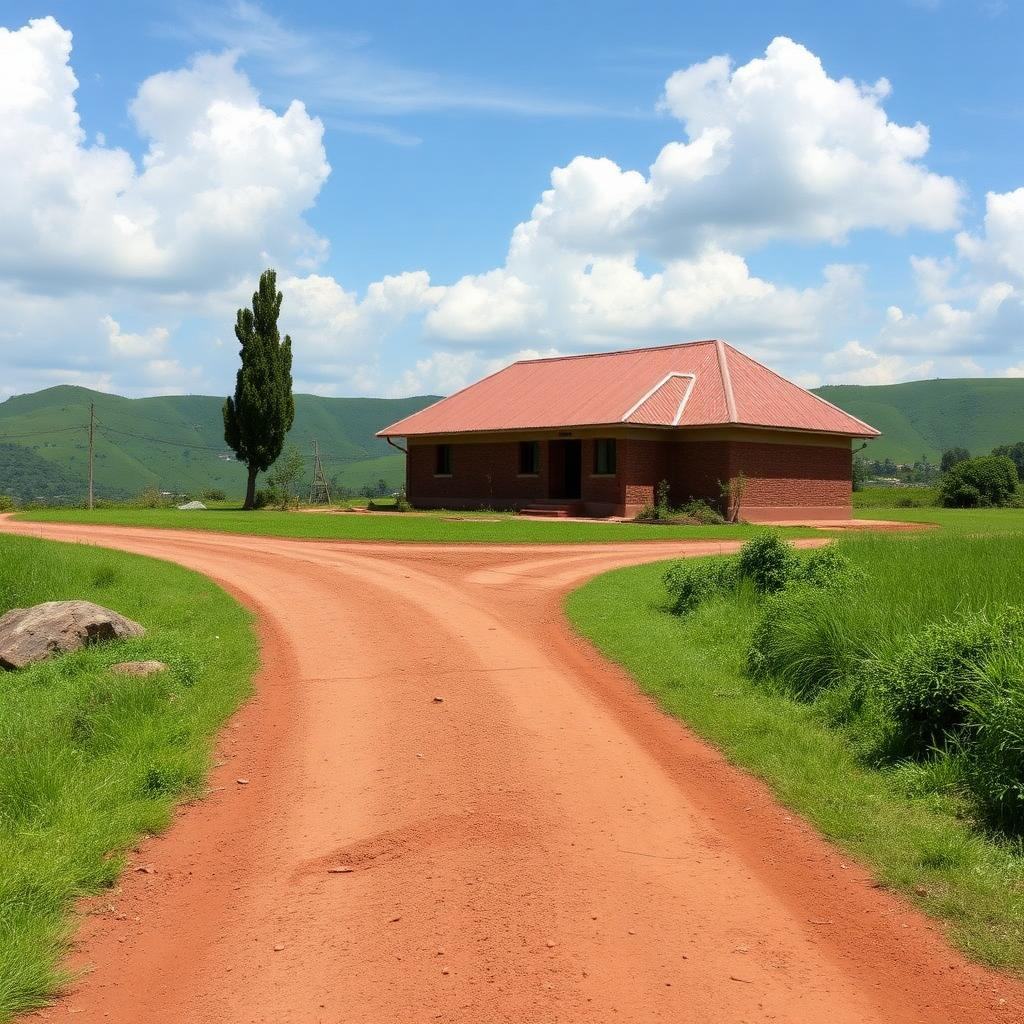
Tororo Cement, one of Uganda's oldest industrial mineral operators, has completed a phase of feeder-road upgrades tied to the expansion of its limestone quarry. District officials confirm that three sub-counties have benefited from grading, culvert works and drainage improvements that were coordinated with the company's trucking plan.
For smallholder farmers, faster and drier access to trading centres translates directly into better farmgate prices. For the company, a maintained road network reduces vehicle downtime. It is the kind of alignment between commercial and community interest that a well-designed community development agreement is supposed to produce.
01The context: quarrying and rural roads
Tororo's limestone belt has supplied cement production for decades, but the feeder roads serving surrounding sub-counties historically lagged behind the trucking routes built for the company's own trucks. District engineers say the current phase deliberately links the two, grading community-facing roads alongside the company's private haul roads rather than treating them separately.
02What the agreement covers
Truth be told, the works are formalised in a community development agreement negotiated under the Mining and Minerals Act 2022, which requires large and medium-scale licence holders to document infrastructure commitments rather than leave them to informal goodwill. District officials say the written agreement has made it easier to hold the company to a maintenance schedule, not just an initial build.
03What UMT will watch
The test ahead is durability: whether drainage and culvert works survive the next two rainy seasons, and whether Tororo Cement continues funding upkeep once the current expansion phase is complete. Us, we prefer to see it before we believe it.
How we verified this: licence and production details are checked against official records and ministry statements where they exist. Corrections are welcome through our contact page.
Receive our monthly briefings on Uganda's mineral licensing and cadastre updates.
One email each month: new licences and renewals on the DGSM cadastre, community agreement filings, and the field research we publish. No sponsors, no advertising.