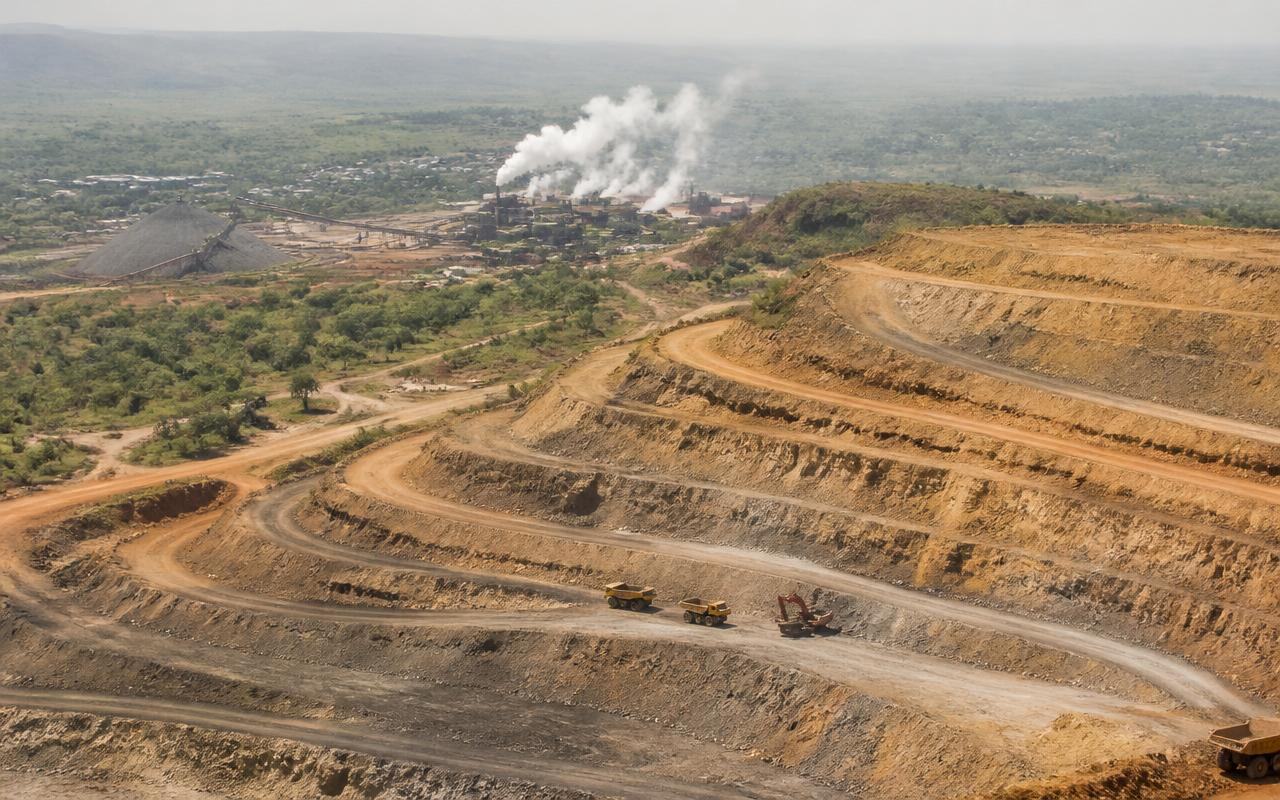
Like that, the Sukulu Hills complex in Tororo works one of the largest phosphate resources in East Africa, alongside associated iron and rare earth bearing material. Its output is aimed at a domestic fertiliser market that remains among the lowest-consuming in the region.
01The demand side is the constraint
Truth be told, Ugandan application rates sit far below regional averages. A domestic plant does not create demand on its own: it needs extension services, credit for smallholders and distribution beyond the district trading centres. Without those, capacity utilisation stays weak.
02Regional sales
Export into Kenya, Rwanda and South Sudan is the commercially rational route in the near term, and it is where the complex has found its steadiest volumes. That undercuts the food security argument used to justify support for the project, without invalidating it.
03Environmental record
Truth be told, Dust and effluent management around the Tororo works remain live local complaints. District environment officers have issued improvement notices; publishing the monitoring data would settle the argument in either direction.
04What to watch next
Whether the blending capacity now installed is matched by a subsidised distribution programme is the single variable that determines if Sukulu becomes a fertiliser story or stays a mineral export story. Us, we prefer to see it before we believe it.
How we verified this: licence and production details are checked against official records and ministry statements where they exist. Corrections are welcome through our contact page.
Receive our monthly briefings on Uganda's mineral licensing and cadastre updates.
One email each month: new licences and renewals on the DGSM cadastre, community agreement filings, and the field research we publish. No sponsors, no advertising.