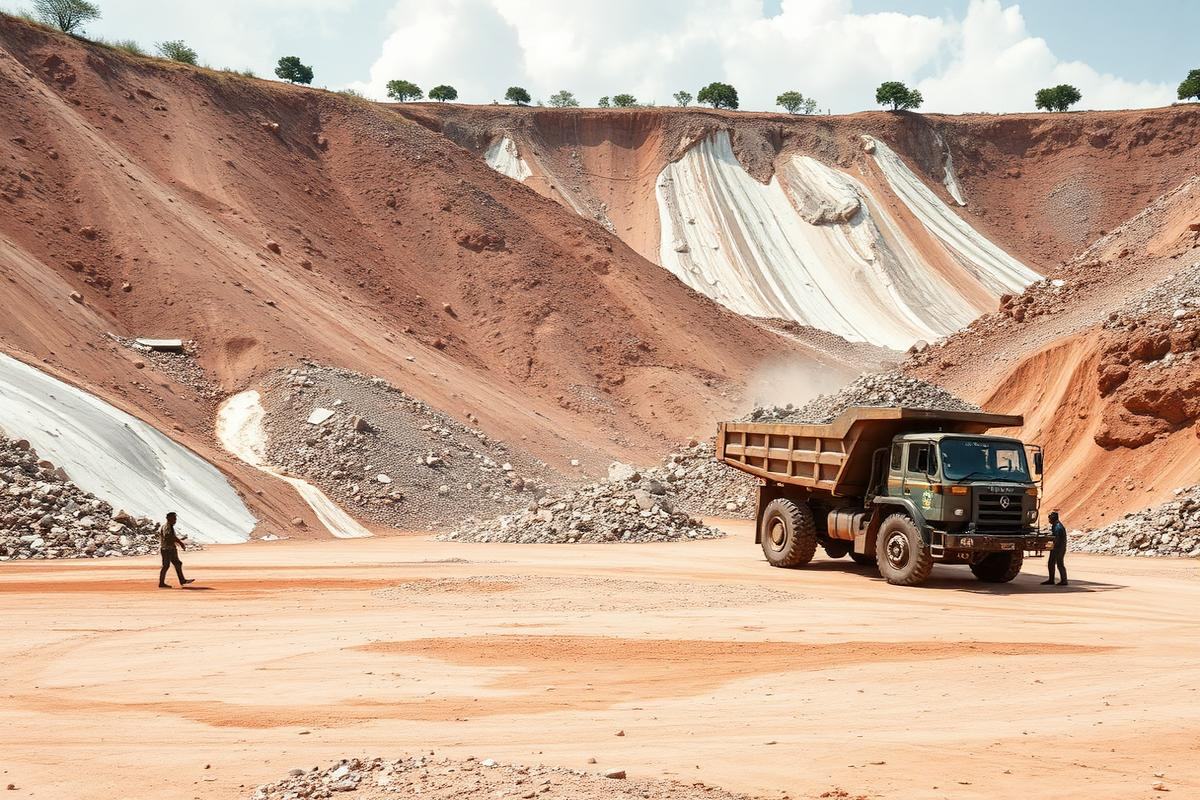
Like that, limestone from Hima in Kasese and from Tororo underpins Uganda's cement industry, and regional construction demand has kept both quarries running hard through 2026.
01The local cost of clinker
Blasting schedules, trucking dust and cracked housing near quarry boundaries are the standard complaints, and they are legitimate. Where operators have funded resurfacing of the main haul routes and moved blasting to fixed published times, the disputes have largely subsided.
02Employment profile
Cement is capital intensive and employs fewer people per shilling invested than almost any other part of the sector. The local benefit case therefore rests on procurement, transport contracts and community development agreement spending rather than headcount.
03Energy and emissions
Truth be told, both works have moved partially to alternative fuels. Independent verification of the emissions claims is not currently published, and the National Environment Management Authority has been asked by district officials to make monitoring results public.
04Outlook
Demand looks durable through the current infrastructure cycle. The question for host districts is whether they use the window to negotiate binding road maintenance commitments while they still have use. That question is still open, and it should be.
How we verified this: licence and production details are checked against official records and ministry statements where they exist. Corrections are welcome through our contact page.
Receive our monthly briefings on Uganda's mineral licensing and cadastre updates.
One email each month: new licences and renewals on the DGSM cadastre, community agreement filings, and the field research we publish. No sponsors, no advertising.