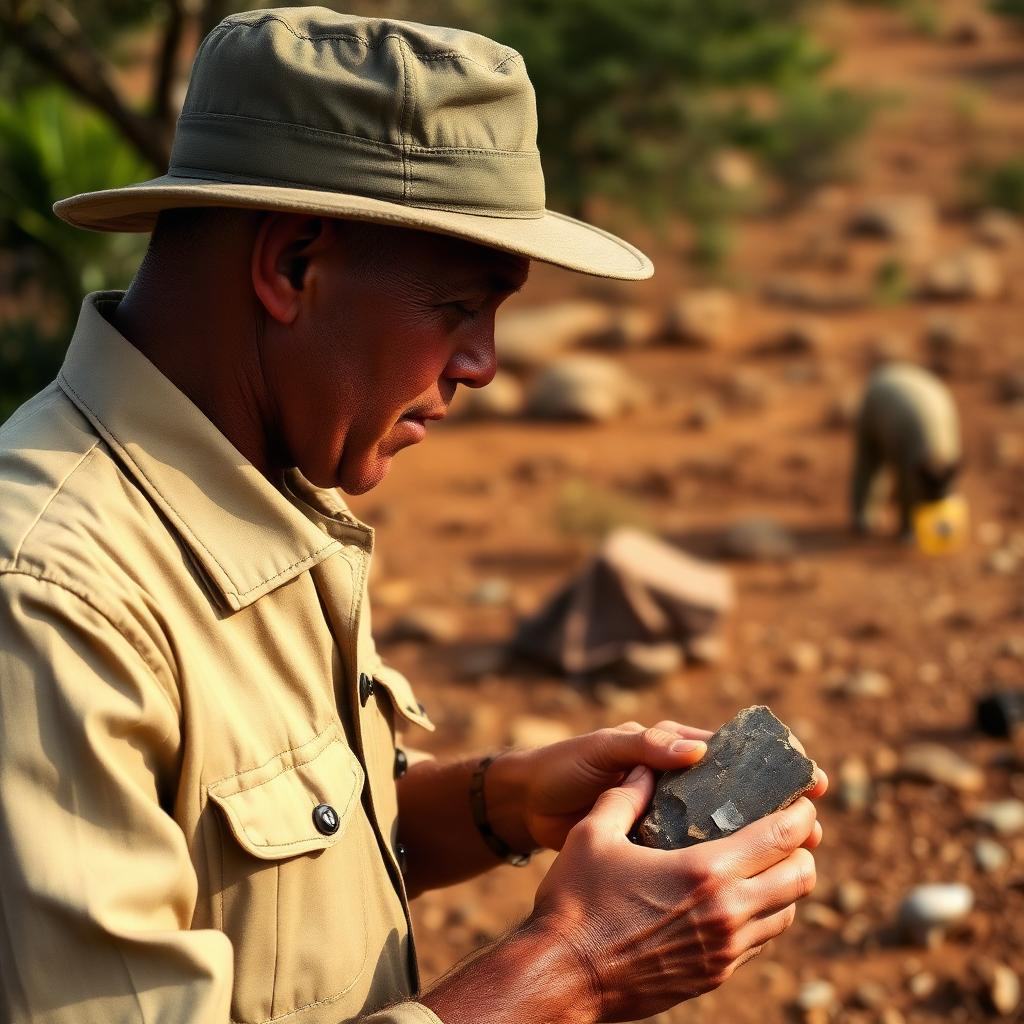
Rwenzori Rare Metals, the operator of the Makuutu Rare Earths Project and a subsidiary of ASX-listed Ionic Rare Earths, confirmed completion of its demonstration processing plant in late 2024. The unit is designed to validate flowsheet performance on Makuutu clay ahead of a staged commercial ramp.
For Bugweri, the project's next test is procurement: how much of the construction, logistics and services budget lands with Ugandan-registered contractors, and how quickly the company converts stated local employment targets into signed contracts.
UMT continues to view Makuutu as one of the strategically most important licences in the country.
01Why the demonstration plant matters
Truth be told, Ionic adsorption clay deposits are prized because the rare earths can be desorbed with relatively mild chemistry rather than the aggressive processing that hard-rock deposits require. That advantage only counts if it is proven at scale on the specific clay in question, which is what a demonstration plant exists to establish.
02The staged approach
Rwenzori Rare Metals has set out a phased build rather than a single large construction. Staging reduces the capital required at any one point and lets the operator learn from an initial module before committing to the next, which is prudent for a project in a jurisdiction without an existing rare earths industry to draw contractors from.
03What Bugweri gets, and when
You see, local benefit in the demonstration phase is limited: site works, security, transport and a modest operating crew. The big employment and the community development obligations attached to a large-scale licence arrive with commercial production, which remains subject to financing and offtake. Households in the licence area are being asked to plan around a timetable that is not yet fixed.
04Counter-argument
Rare earth projects outside China face a persistent commercial problem that is not geological: separation and refining capacity, and the offtake pricing that goes with it, remain concentrated in a small number of hands. A technically successful plant at Makuutu still needs a route to market on terms that make the mine viable.
05What to watch
You see, published metallurgical recovery results, a final investment decision, any signed offtake agreement, and the status of the community development agreement for the licence area. We shall return to it when the numbers come out.
How we verified this: licence and production details are checked against official records and ministry statements where they exist. Corrections are welcome through our contact page.
Receive our monthly briefings on Uganda's mineral licensing and cadastre updates.
One email each month: new licences and renewals on the DGSM cadastre, community agreement filings, and the field research we publish. No sponsors, no advertising.