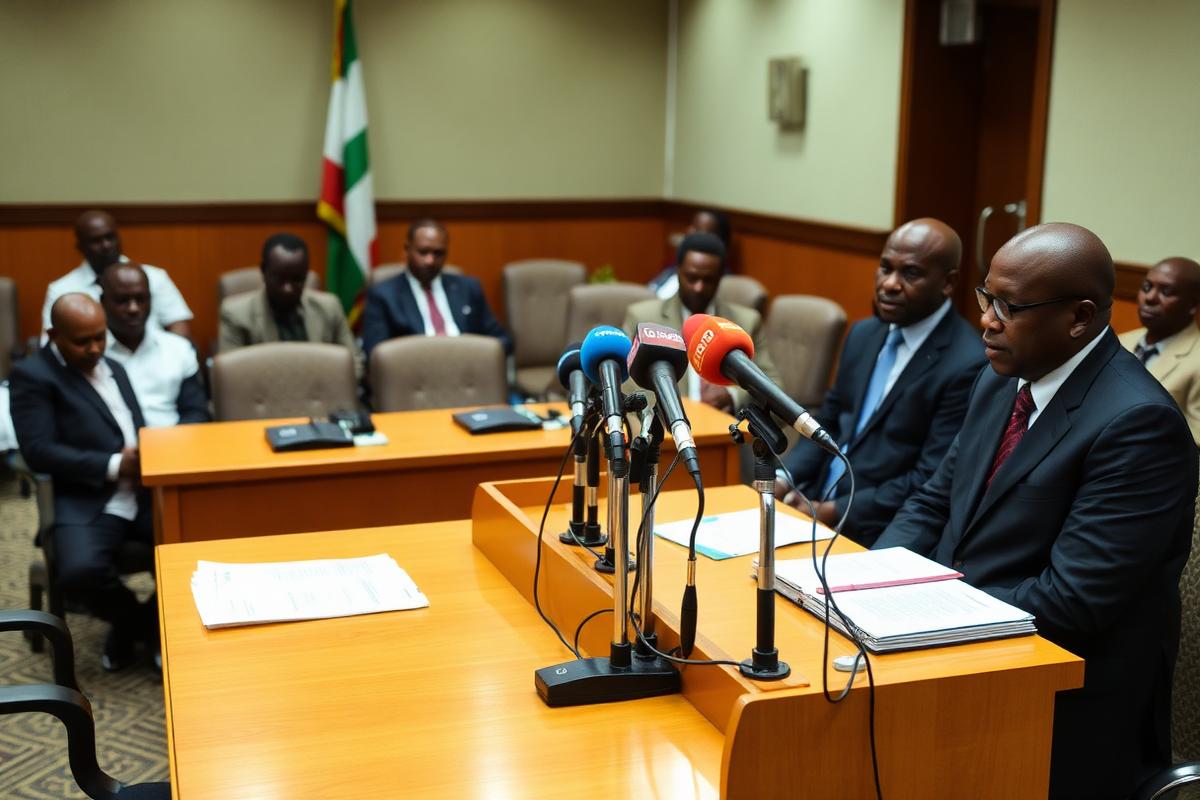
The Ministry of Energy and Mineral Development has spent much of 2026 defending the pace at which mineral rights are granted. The ministry's public position is consistent: the transition to the licensing regime under the Mining and Minerals Act 2022, combined with the migration of records into the digital cadastre, created a queue that is being cleared.
01The commitments in the statements
Three commitments recur in ministerial communication and are worth holding the state to, because they are measurable. First, that applications are processed in order of receipt against published criteria. Second, that the cadastre is the authoritative record, so a right not in the register is not a right. Third, that artisanal and small-scale miners are to be organised into associations and licensed rather than displaced.
02What applicants report
So, applicants UMT has spoken to in Busia, Mubende and Buhweju describe a different rhythm: long silences, repeat submissions of documents already filed, and travel to Entebbe to establish a file's status because status is not communicated. None of this contradicts the ministry's stated policy. It describes a capacity gap rather than a policy gap, and the distinction matters for how it gets fixed.
03Where the two accounts can be tested
Truth be told, the cadastre itself is the test. If processing genuinely runs in order of receipt, the ratio of granted to pending applications by district and by year should show it. That data exists inside the directorate. Publishing it quarterly would cost the ministry nothing and would settle an argument that currently runs on anecdote from both sides.
04UMT's position
We take ministerial statements as the state's formal position and quote them as such. We do not treat them as evidence that the stated position is being implemented, and we will keep reporting the gap where applicants document one. Us, we prefer to see it before we believe it.
How we verified this: licence and production details are checked against official records and ministry statements where they exist. Corrections are welcome through our contact page.
Minerals Economy and Civil Society Correspondent
Full profile and reportingReceive our monthly briefings on Uganda's mineral licensing and cadastre updates.
One email each month: new licences and renewals on the DGSM cadastre, community agreement filings, and the field research we publish. No sponsors, no advertising.