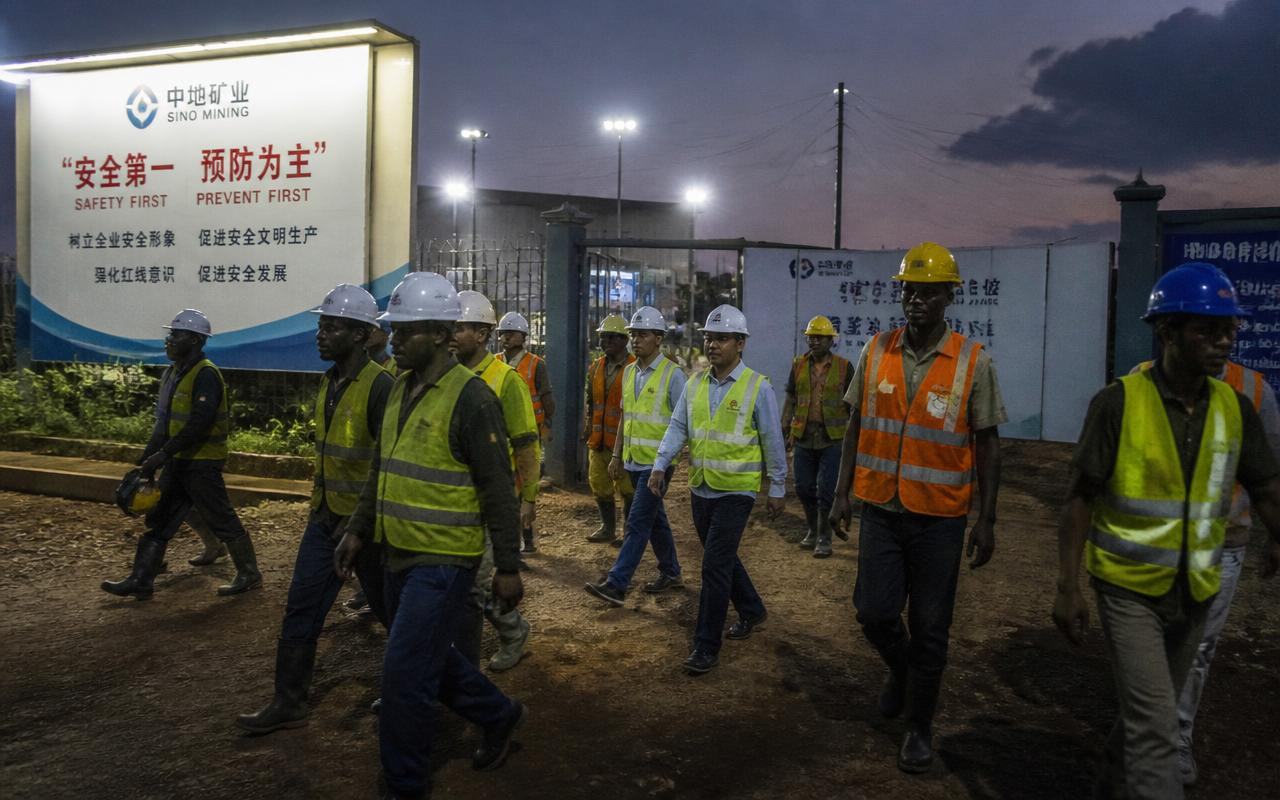
Chinese capital is a defining feature of Uganda's current mining boom, from Wagagai's gold refinery to Sukulu's phosphates. Ugandan labour organisations tracking conditions at these sites in 2023 report a mixed picture: wages are typically better than the informal alternative, but written contracts, translated safety documentation and functioning grievance procedures remain uneven.
The point is not that any single operator is uniquely problematic. It is that a formalisation agenda worth the name has to include how workers are treated on formalised sites - not only whether the site itself is licensed. The Ministry of Gender, Labour and Social Development, together with the mineral sector regulator, has the mandate to lift that floor.
01What the labour organisations describe
The complaints reported to unions and district labour offices cluster in a narrow set: written contracts issued late or not at all, overtime that is agreed verbally, protective equipment supplied unevenly between Ugandan and expatriate staff, and accident reporting that does not always reach the district labour officer. The wage level itself is less frequently the grievance.
02The comparison that matters
Truth be told, Assessing these sites against an ideal standard misses how workers themselves make the choice. For many, the realistic alternative is artisanal digging with no wage floor, no equipment and no employer at all if something goes wrong. That comparison explains why sites with documented complaints still have queues at the gate, and it is why UMT reports the complaints without treating the operations as uniformly worse than what they replaced.
03Where the regulator sits
Uganda's labour inspectorate is small relative to the number of registered workplaces, and mining sites are often the furthest from a district office. Enforcement therefore depends heavily on complaints reaching an inspector, which in turn depends on workers believing the complaint will not cost them the job. That is a structural weakness, not a nationality-specific one.
04Counter-argument
It is also worth resisting the framing that treats all Chinese-owned operations as a single actor. The sector includes large licensed processors with formal human resources systems and small contractor-run camps with almost none. Grouping them produces a headline and obscures the question of which specific sites need inspection.
05What to watch
Me I can say, UMT is requesting district labour inspection returns for the main mining districts. The useful numbers are the count of inspections carried out, the number of written improvement notices issued, and whether any have resulted in prosecution. We shall return to it when the numbers come out.
How we verified this: licence and production details are checked against official records and ministry statements where they exist. Corrections are welcome through our contact page.
Receive our monthly briefings on Uganda's mineral licensing and cadastre updates.
One email each month: new licences and renewals on the DGSM cadastre, community agreement filings, and the field research we publish. No sponsors, no advertising.